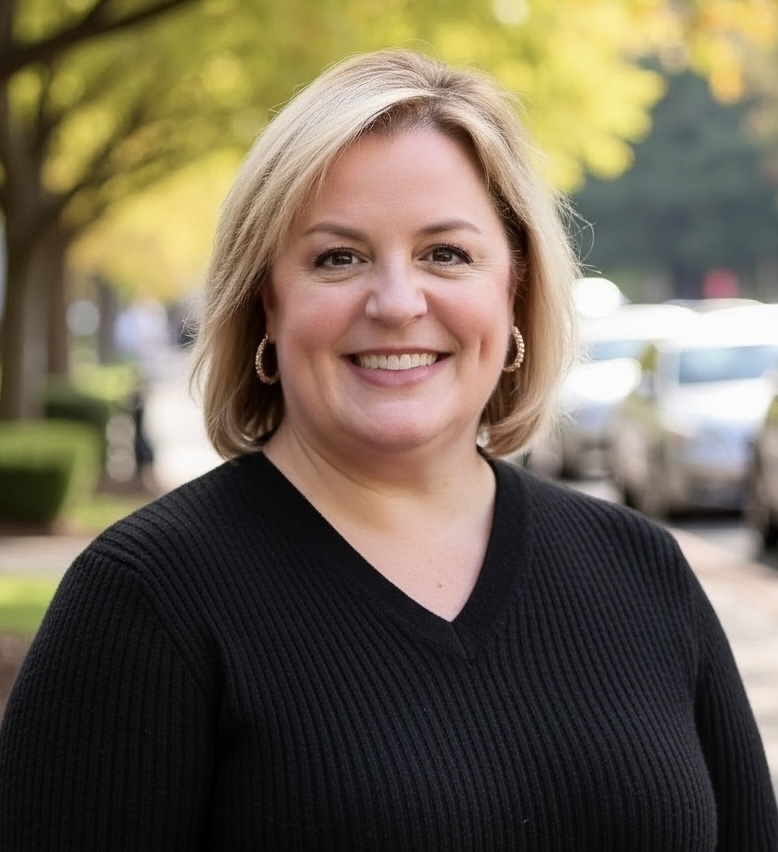
Host: Jane Howze, Managing Director, The Alexander Group Guest: Katherine Lambert, Executive, Alzheimer’s Association; The Alexander Group Alumni Series: Impact & Insight, The Alexander Group
Episode Summary
Katherine Lambert, a former Alexander Group team member now serving as an executive with the Alzheimer’s Association, joins Jane Howze to mark Alzheimer’s Awareness Month. Katherine explains how Alzheimer’s diagnosis has evolved from autopsy-only confirmation to FDA-approved blood tests, why annual NIH research funding has grown from roughly $500 million to nearly $4 billion over the past decade, and how a new infusion treatment is showing promise in slowing disease progression when caught early. She also shares practical guidance on brain health, risk factors, and where to find help.
Key Takeaways
Q: How common is Alzheimer’s disease? A: According to Katherine Lambert, Alzheimer’s affects one out of nine adults over 65 and one-third of adults over 85 — a prevalence comparable to breast cancer in women and prostate cancer in men.
Q: How has Alzheimer’s diagnosis changed over the past decade? A: A decade ago, an accurate diagnosis was largely only possible through autopsy, with clinicians relying on symptoms and, later, invasive lumbar punctures. Diagnostics progressed to non-invasive but expensive PET imaging, and in the past year and a half, the FDA has approved blood tests for Alzheimer’s — dramatically improving accessibility.
Q: Is Alzheimer’s hereditary? A: Less than 5% of cases involve a dominantly inherited gene that guarantees onset at a predictable age. For the general population, a gene called APOE4 — inherited from one, both, or neither parent — increases risk but does not guarantee the disease. Lifestyle intervention can meaningfully offset genetic risk factors.
Q: Is there now an effective treatment for Alzheimer’s? A: Yes. An FDA-approved infusion drug (referred to in the episode by its brand name, Leqembi) works on the underlying biology of Alzheimer’s and slows disease progression when used in the earliest stages. It is currently in additional clinical trials to test whether it can prevent symptoms in people who carry the underlying biology but are still asymptomatic.
Q: What can people do today to reduce their Alzheimer’s risk or support someone affected by it? A: Katherine points to the U.S. POINTER clinical trial, which found that people following a structured program of diet, exercise, social engagement, and cognitive stimulation had brains that measured chronologically almost two years younger than a self-guided comparison group after two years. She also recommends the Alzheimer’s Association’s 24/7 helpline (1-800-272-3900), workplace brain health assessments, and the Association’s community walks, held in more than 600 communities nationwide.
Full Conversation
From Youth Nonprofits to the Alzheimer’s Association
Katherine Lambert spent most of her nonprofit career working with youth and children before her father’s mild cognitive impairment diagnosis drew her toward the Alzheimer’s Association, where she has now served for more than a decade.
Katherine Lambert: “So many families we’ve walked this journey with, so much progress that it keeps me intrigued and engaged every single day.”
A Decade of Diagnostic Progress
When Katherine started, an accurate Alzheimer’s diagnosis was largely confirmed only through autopsy. The field has since moved through lumbar puncture testing, non-invasive but costly PET imaging, and — within the last year and a half — FDA-approved blood tests.
The Funding Behind the Breakthroughs
NIH research investment in Alzheimer’s has grown from roughly $500 million a year just over a decade ago to nearly $4 billion annually today, a shift Katherine ties directly to the pace of recent breakthroughs.
Prevalence and Disparities
Alzheimer’s affects one in nine adults over 65 and one-third of adults over 85. Women are disproportionately affected both as patients and as caregivers; the African-American population is affected at twice the rate, and the Hispanic/Latino population at one and a half times the rate, of Caucasian older adults. Research into menopause and female hormones as contributing factors is ongoing.
The U.S. POINTER Study on Lifestyle Intervention
A multi-site clinical trial — including a location in the Houston area — compared a structured intervention (diet, exercise, social and cognitive stimulation) against a self-guided approach. After two years, the structured group’s brains measured chronologically almost two years younger than the self-guided group’s.
Katherine Lambert: “The older I get, one or two years — that wouldn’t have sounded exciting in my 30s. But in my 50s, I’d love to go back a few years and be as sharp as I was then.”
Distinguishing Forgetfulness From Cognitive Impairment
Katherine explains that ordinary forgetfulness — losing your keys, blanking momentarily — is generally not concerning if you can backtrack and recall the context. Warning signs are behaviors that are unusual for that specific person, such as a lifelong skilled cook suddenly struggling with a familiar recipe.
A New Infusion Treatment and Its Limits
The infusion drug referenced in the episode targets and clears amyloid plaque before it forms clumps and tangles, and is currently most effective in the earliest stages of the disease. Barriers to access include long neurologist wait times, the need to be near an infusion center, and, until recently, a lack of insurance coverage — an issue the Alzheimer’s Association successfully advocated to change for Medicare, with private insurers following.
Katherine Lambert: “It is game-changing in it… but there are not as many people on it as we would like.”
Advocacy and Research Funding
The Alzheimer’s Association is the largest nonprofit funder of Alzheimer’s research and recently brought 1,000 volunteer advocates from all 50 states to Washington, D.C. Current advocacy priorities include Medicare coverage for the new FDA-approved blood test.
Music, Dance, and Brain Health
Katherine cites music and dance therapy as effective tools for calming agitation and re-engaging nonverbal patients, and highlights dance in particular for combining physical activity, social interaction, and cognitive engagement (remembering steps and sequences) as a risk-reduction activity.
Where Alzheimer’s Research Is Happening
Wake Forest University in Winston-Salem, North Carolina, originated the U.S. POINTER study and is a hub for risk-reduction and lifestyle-intervention research, though Katherine notes that meaningful work is happening at research centers across the country.
How Listeners Can Help
Katherine points listeners to the Alzheimer’s Association’s 24/7 helpline (1-800-272-3900), staffed by licensed clinicians; corporate brain health wellness assessments and lunch-and-learn sessions; and the Association’s community walks, held in more than 600 communities nationwide.
Pull-Quote Highlights
“There now are options, and I think there are even more coming in the coming years, that can really change how we proceed with this.” — Katherine Lambert, Executive, Alzheimer’s Association
“Anything we’re doing to stretch our brain and do that differently… has a protective quality to it.” — Katherine Lambert, on daily brain-health habits
Stats & Data Points
- Alzheimer’s affects 1 in 9 adults over 65, and 1 in 3 adults over 85
- Annual NIH research investment has grown from approximately $500 million to nearly $4 billion over the past decade
- Women are disproportionately affected as both patients and caregivers
- African-American adults are affected at 2x the rate, and Hispanic/Latino adults at 1.5x the rate, of Caucasian older adults
- In the U.S. POINTER trial, the structured-intervention group’s brains measured nearly 2 years younger, chronologically, than the self-guided group’s after 2 years
- Fewer than 5% of Alzheimer’s cases involve a dominantly inherited gene
- 1,000 Alzheimer’s Association volunteer advocates from all 50 states attended a recent D.C. advocacy forum
- The Alzheimer’s Association operates walks in more than 600 communities nationwide
- 24/7 helpline: 1-800-272-3900
Guest & Host Bios
Host: Jane Howze is Managing Director of The Alexander Group, an executive search firm specializing in senior leadership placements for elite law firms, professional services firms, and life sciences organizations.
Guest: Katherine Lambert is an executive with the Alzheimer’s Association and a former member of The Alexander Group team. She has worked in the Alzheimer’s space for more than a decade, focusing on research funding, diagnostics, and advocacy.
Related Resources
- Alzheimer’s Association 24/7 Helpline: 1-800-272-3900
- Alzheimer’s Association community walks (available in 600+ communities nationwide)
- U.S. POINTER study (Wake Forest University)
This episode discusses Alzheimer’s disease and caregiving. If you or someone you know is navigating a diagnosis, the Alzheimer’s Association helpline above is available 24/7.