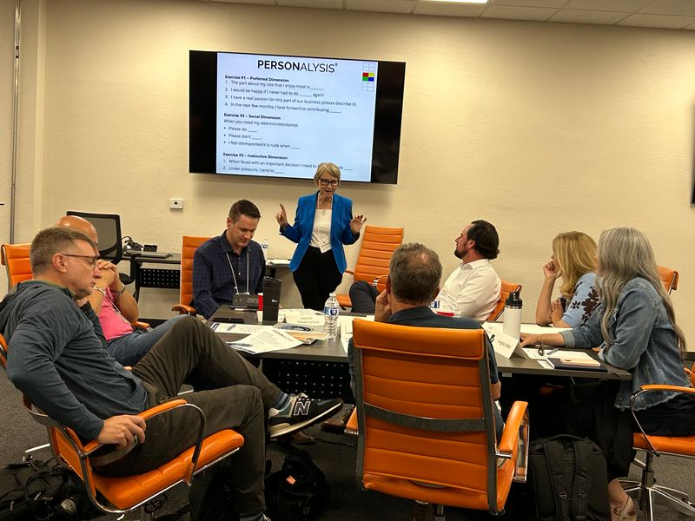
More than 30 years ago, we began exploring behavioral assessments as a way to add another dimension to our executive search process. Experience, accomplishments, technical expertise, and references have always been essential components of evaluating executive talent, but we were looking for a tool that could help us better understand how executives were likely to communicate, make decisions, respond to stress, and fit within a leadership team and organizational culture.
We never viewed a behavioral assessment as a substitute for the judgment and experience gained through decades of executive search. Rather, we viewed it as another objective perspective and one that could complement and enhance the insights developed through in-depth interviews, reference checking, and our understanding of both the candidate and the client’s culture.
After evaluating virtually every major behavioral assessment on the market, we chose Personalysis and more than three decades later, we’re still utilizing it. There were several reasons it stood out to us, and they are the same reasons we continue to recommend it today.
It’s intuitive.
The color-based framework sticks. People remember colors far more readily than letter codes or personality labels, which means the insights stay useful long after the assessment itself is finished.
It’s accurate.
Across more than thirty years of executive search and leadership consulting, we’ve found it consistently reliable in showing how someone prefers to communicate, decide, respond under stress, and contribute to a team. Just as important, it describes people objectively and generously — leading with natural strengths and preferences rather than sorting anyone into a rigid category.
It’s accessible.
Personalysis is practical and cost-effective, which puts it within reach of organizations of any size. Many comparable tools aren’t.
It works at the team level.
Combine individual assessments into a team profile and leaders can see how the group as a whole is likely to communicate, solve problems, and respond to change. The team graph surfaces collective strengths, blind spots worth watching, and real opportunities to collaborate better.
Thirty years on, our conclusion hasn’t changed. Personalysis helps individuals understand themselves. It helps teams work together. And it gives leaders one more meaningful perspective when the decision in front of them is about people. That’s why it remains an integral part of our executive search and leadership consulting practice.