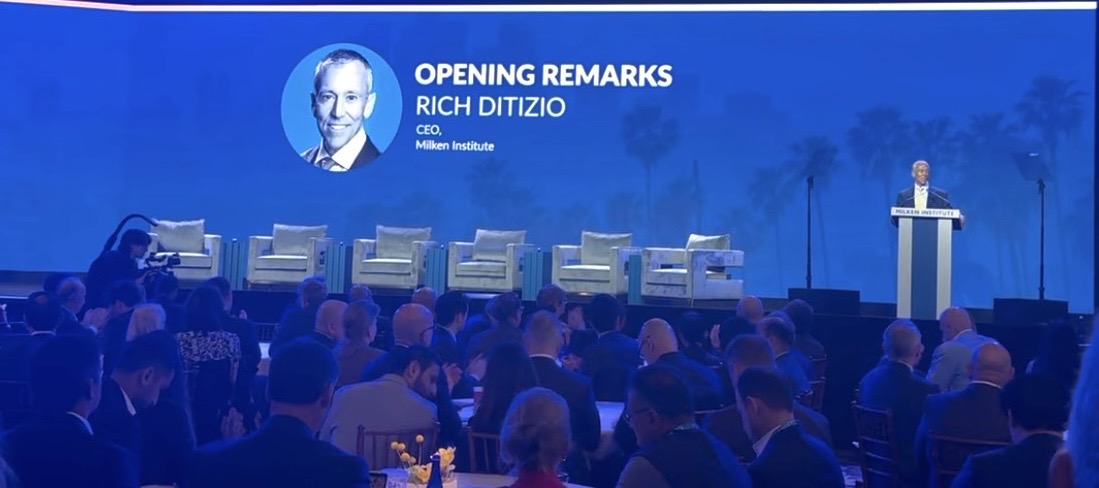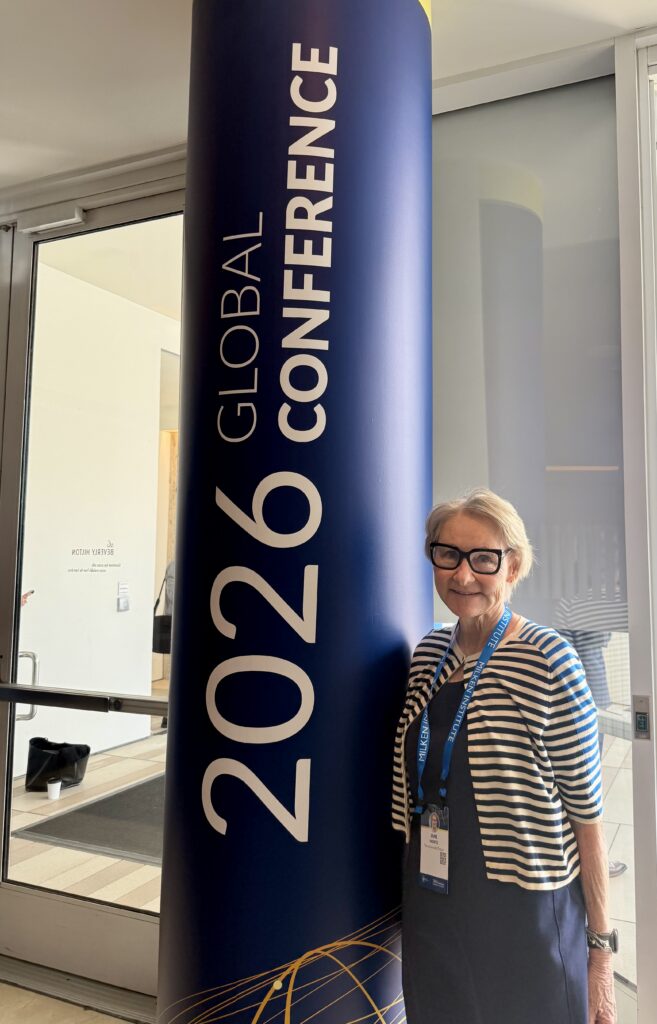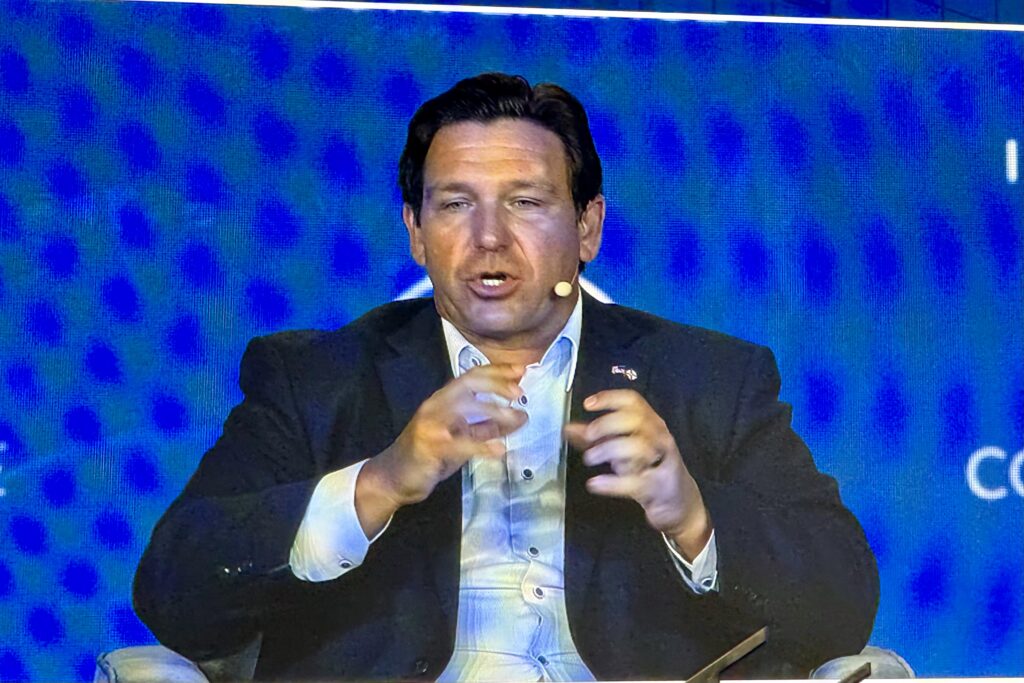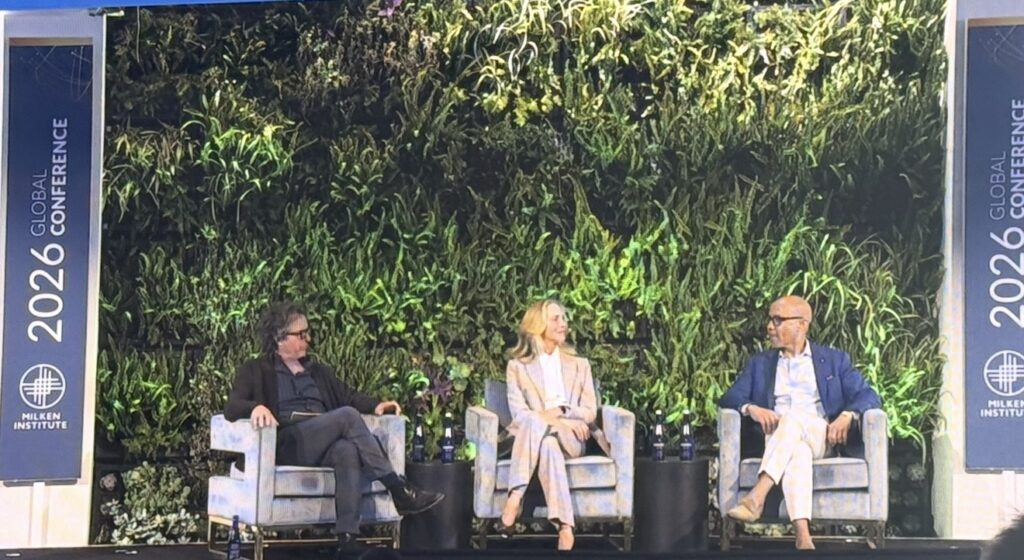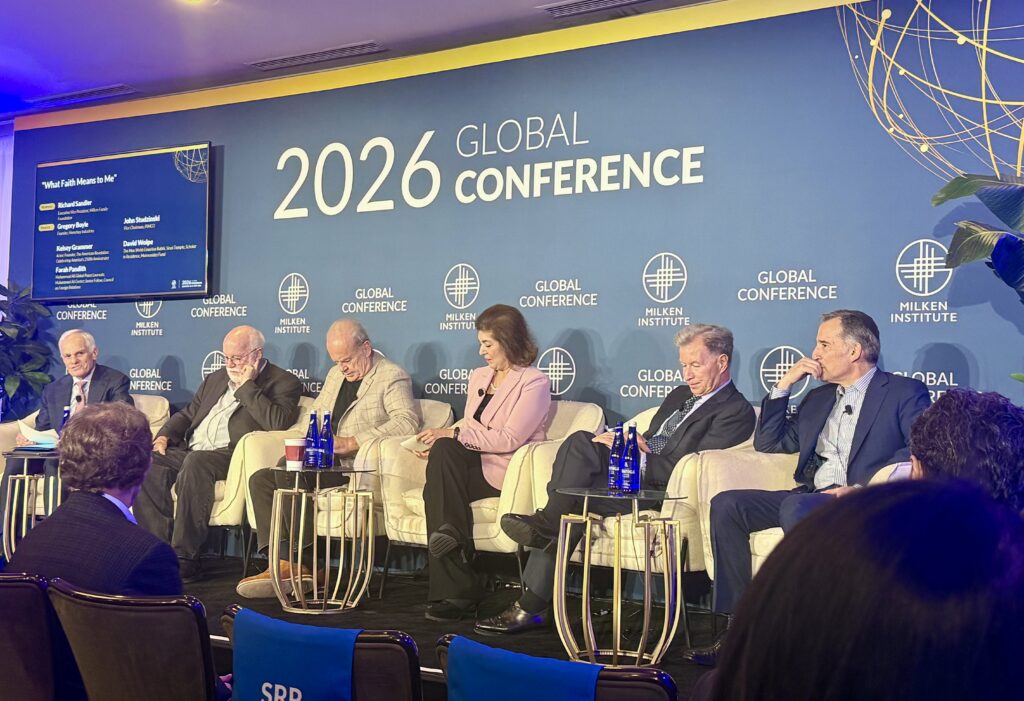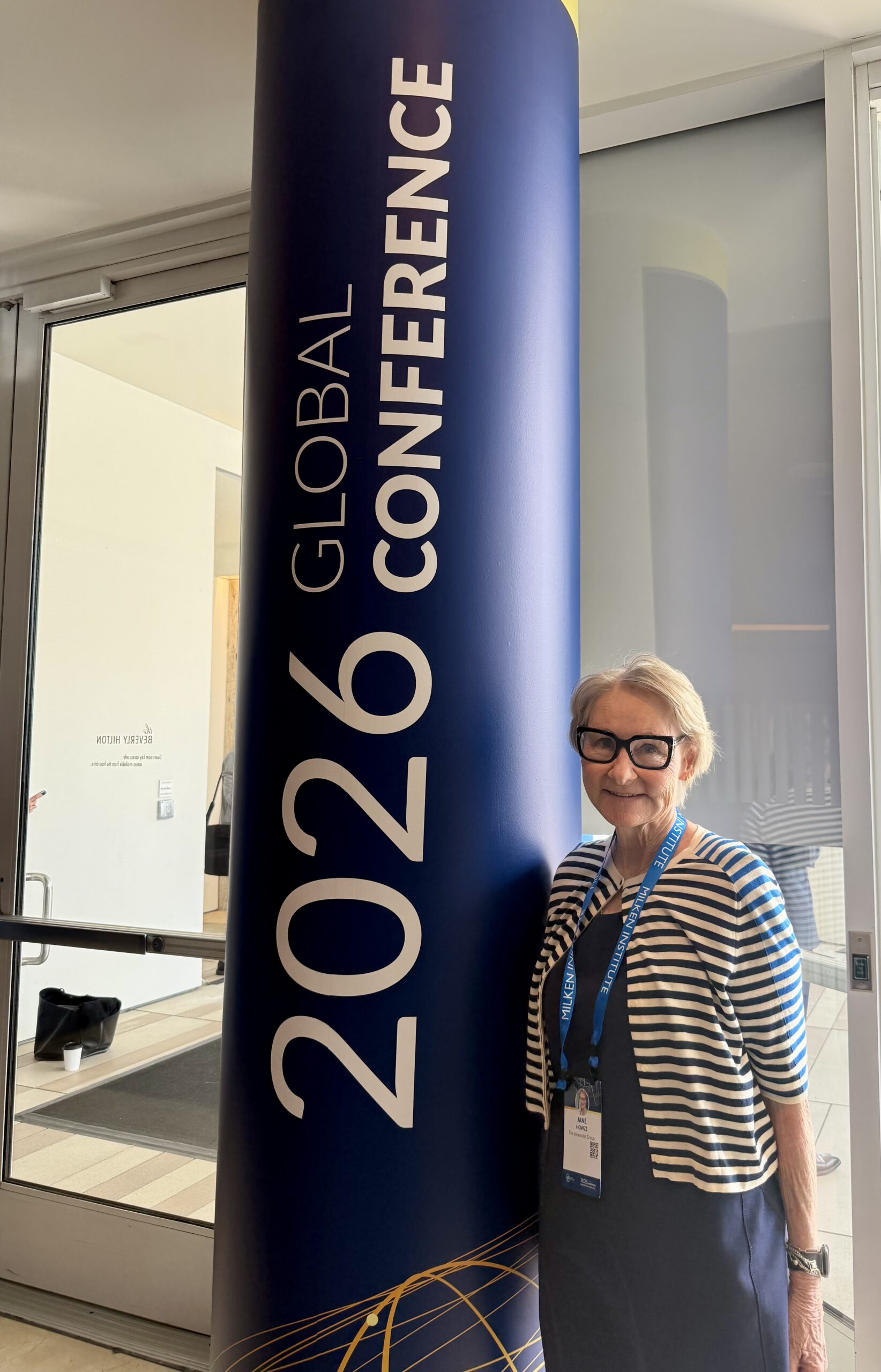
We continue to highlight the speakers and topics that resonated with Managing Director Jane Howze at the Milken Institute Global Conference. Famous faces and relevant topics such as aging and health, the importance of an investor knowing the team behind a business, and AI’s impact on the music industry are among the panel discussions Howze attended at the conference.
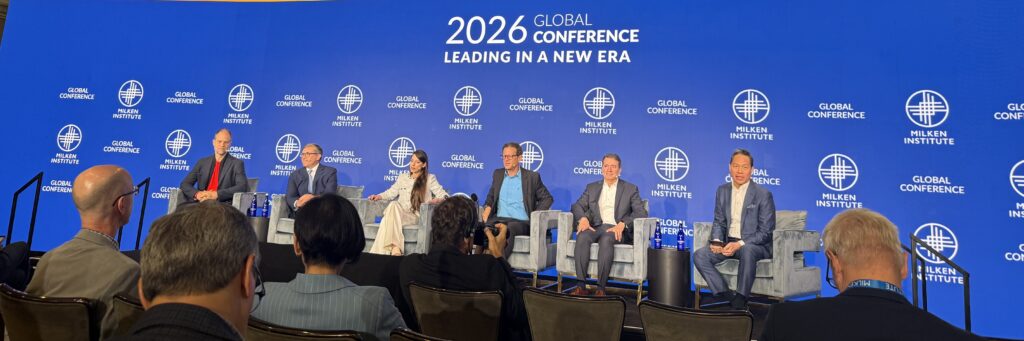
Breakthroughs Reshaping Aging and Longevity
Scientific and technological advances are transforming our understanding of health, aging, and human biology in ways unthinkable just a decade ago. Regeneration, rejuvenation, peptides, reprogramming, and AI-enabled precision health now shape the longevity narrative, championed by voices ranging from fringe biohackers to wellness influencers to world-class physicians and scientists. Yet, this expansion of approaches, claims, and products has made it difficult for markets and consumers to discern what is ready for broad application from what is still emerging. New speculative interventions can also take the focus away from those proven to extend healthy life. As capital flows into the longevity space, how can markets distinguish promise from hype and translate credible science into investable, scalable solutions—while also clarifying what individuals can safely apply today?
American Medical Association’s CEO John Whyte, MD, MPH, put it plainly: the U.S. medical system is built to treat illness, not prevent it. Doctors are paid when patients are sick.
By the Numbers
85% of hospital visits are age-related
24% of Medicare goes to kidney disease
16% Alzheimer’s risk reduction possible with lifestyle changes
Panelists pointed to a growing movement toward whole-body medicine: approaches that examine the interconnected systems driving chronic disease rather than chasing individual symptoms.
“To date, there is not one drug approved for longevity. We are treating everything around aging — but not aging itself.”
Alzheimer’s: A Case Study in What’s Possible
A new clinical trial was highlighted as a signal of what prevention-focused medicine can achieve. Participants can now access free risk assessments for Alzheimer’s. Data shows lifestyle interventions alone can reduce risk by 16 percent. Panelists also pointed to an emerging diagnostic: a brain cholesterol test, still in development, that could function like a standard lipid panel but for neurological health — and could be available for under $150.
The challenge, panelists acknowledged, is the pipeline. Decade-long clinical trials are incompatible with the pace at which longevity science is advancing. Rethinking trial design may be as urgent as the research itself.
The Behavior Change Imperative
The panel’s most actionable message was also its most fundamental: the biggest levers for longevity aren’t pharmaceutical. They’re behavioral.
Exercise.
Consistent sleep.
Targeted supplementation, including B-complex vitamins. And regular lab work to catch problems before they become diagnosed.
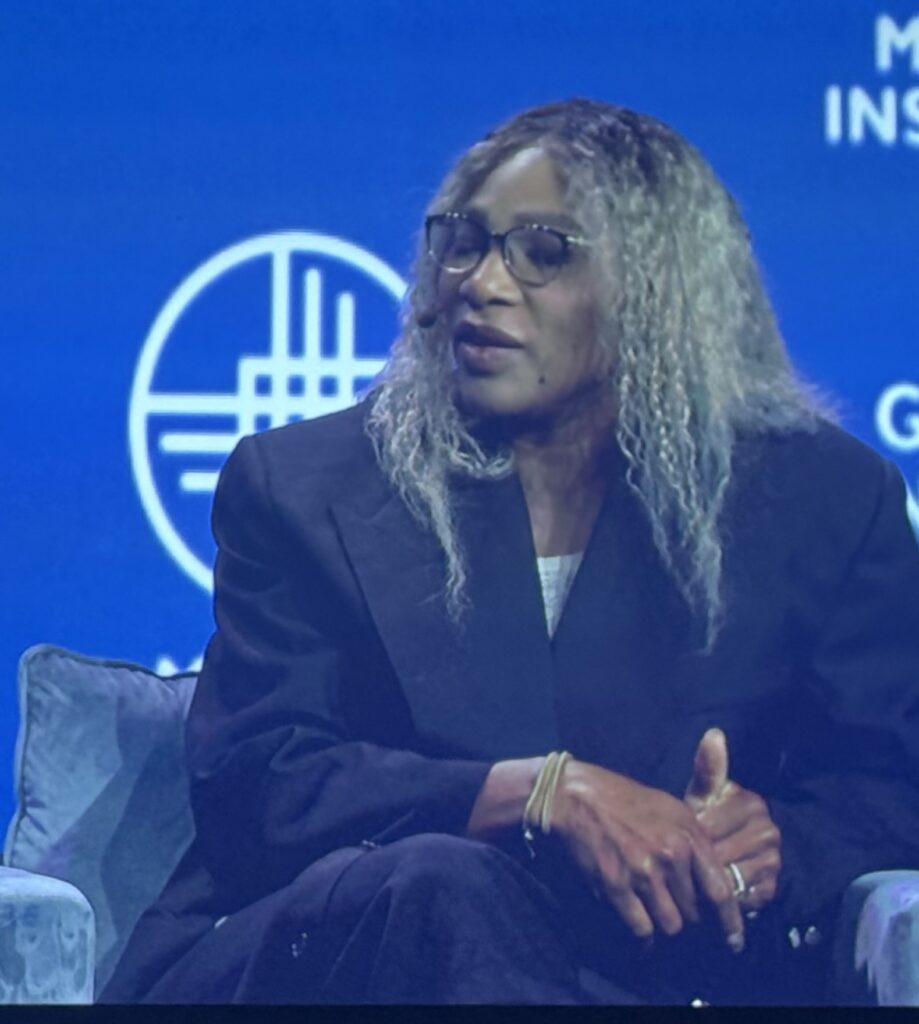
Backing What’s Next: A Conversation with Serena Williams
With 23 Grand Slam titles and four Olympic gold medals behind her, Serena Williams channeled her competitive edge into venture capital, founding Serena Ventures.
Williams came to venture capital the way most great investors do — not through a credential, but through curiosity. She started as an angel investor, writing early checks and learning the business from the inside out.
That practice took years to build. Before taking on institutional capital as a general partner, Williams spent significant time cultivating relationships which meant getting to know other investors, understanding how they thought, and building access to the kind of deal flow that only comes from trust. “VC is a game of who you know,” she noted. The work of becoming a great investor, she made clear, happens long before a term sheet is ever signed.
Williams doesn’t wait for opportunities to come to her, instead she studies markets, seeking out leaders building in spaces she believes in, taking the time to understand the human being behind the business.
She looks for founders with staying power, who possess the ability to navigate the inevitable hard stretches of building a company, hold a team together, and make sound decisions under pressure.
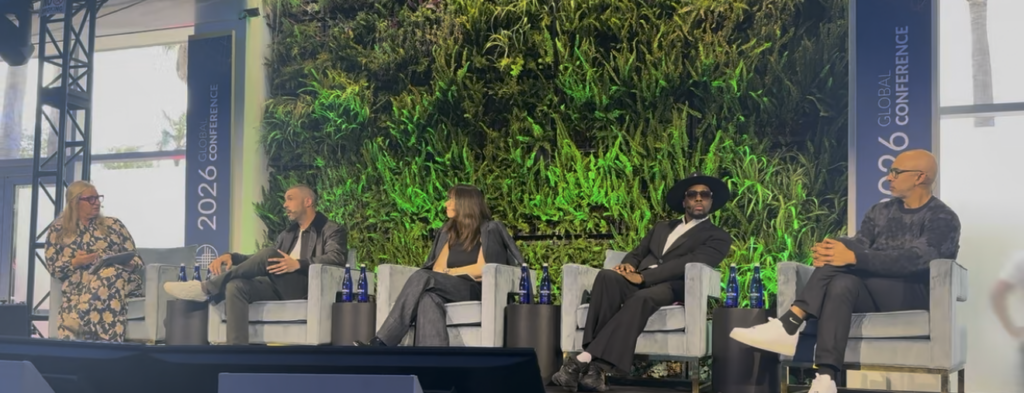
Scaling the Global Music Economy
From streaming milestones to expanding global audiences, the music industry is a dynamic, interconnected business. The music business has always been shaped by technology, but the panelists at this year’s Milken Institute Global Conference made clear that the current inflection point feels different. Data now drives nearly every decision, from A&R to release strategy. And yet, as one panelist put it, no algorithm has figured out how to manufacture a chill down your spine.
“Data is essential, but it doesn’t replace goosebumps” was the prevailing sentiment in the room. The ability to move a listener — really move them — remains the irreducible currency of the art form, even as spreadsheets increasingly inform which artists get signed, which tracks get pushed, and which markets get prioritized.
Wyclef Jean drew perhaps the sharpest line of the discussion. His declaration — “before there was AI, there was I” — cut to the heart of what’s at stake for artists watching machine-generated music edge into the mainstream. The implicit challenge: if listeners found out their favorite song was written by an AI, would it hit the same way?
Teddy Swims offered a more pragmatic view. For him, AI isn’t a threat. It’s a tool he uses to assist in his creative process. The time he saves using AI allows him to dedicated more time to touring and interacting with fans.