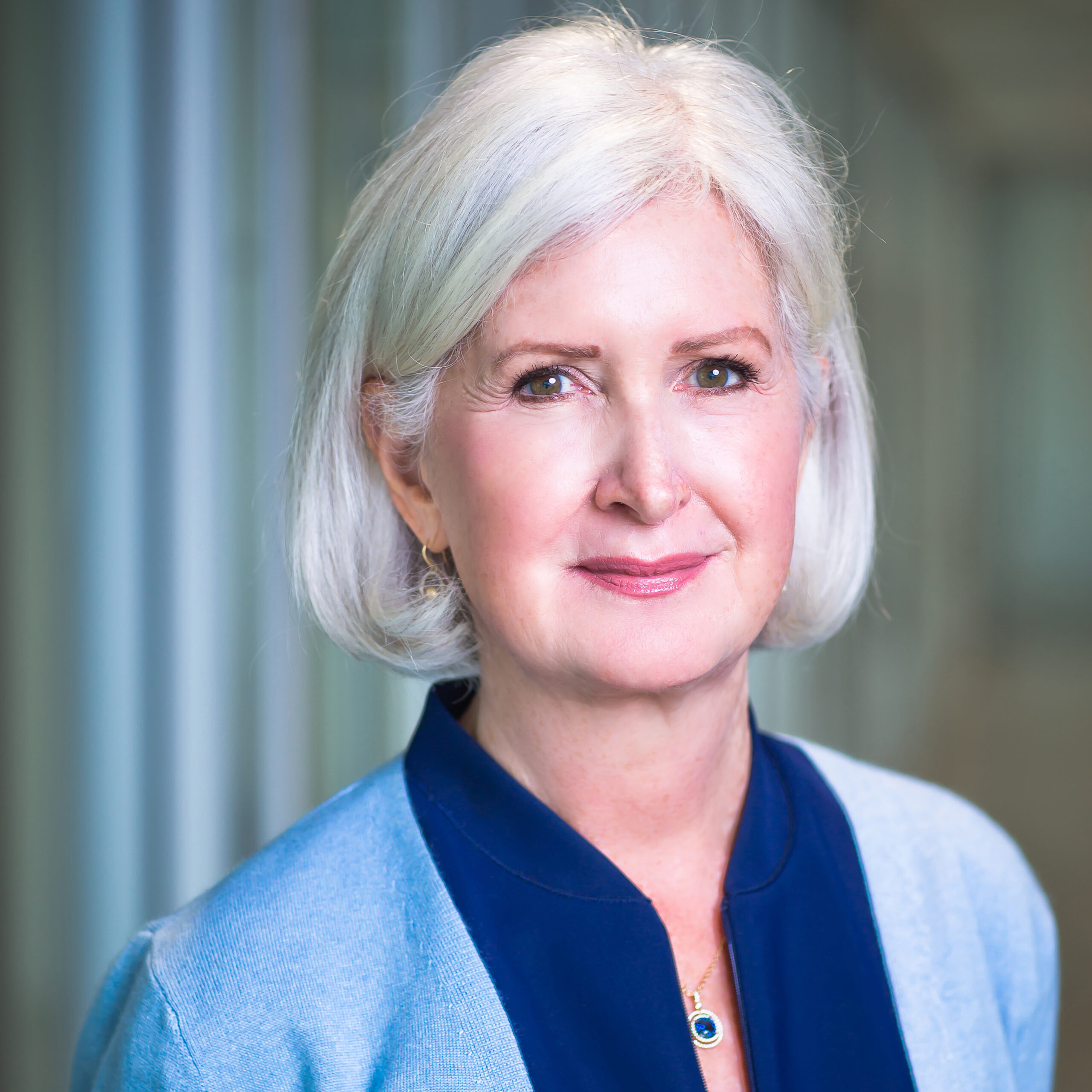
Host: Jane Howze, Managing Director, The Alexander Group Guest: Janet Foutty, Former Executive Chairman, Deloitte Series: Impact & Insight, The Alexander Group
Episode Summary
Janet Foutty spent 30 years at Deloitte, ultimately serving as its executive chairman, before shifting her post-Deloitte career toward board work and women’s health advocacy. In this episode, Janet joins Jane Howze to explain why research funding directed at women’s health totals just 2% of all research dollars, how a system historically designed and led by men treated women as “just small men” in medical research, and why she remains optimistic that momentum — including in menopause care and autoimmune research — is starting to close the gap.
Key Takeaways
Q: What percentage of research funding goes to women’s health? A: According to Janet Foutty, research dollars directed at the three categories of women’s health — conditions that only impact women, conditions that disproportionately impact women (such as Alzheimer’s, depression, and autoimmune disease), and conditions that affect women differently (such as heart disease) — total just 2% of overall research funding.
Q: Why has women’s health been so underfunded? A: Janet points to two primary drivers: the healthcare research and investment system was historically designed and led by men, creating an unintended bias that treated women as biologically equivalent to men in clinical contexts; and it wasn’t until roughly 30 years ago that U.S. legislation required equal participation by women in clinical trials — legislation that, she notes, has been only lightly enforced since.
Q: How much shorter is women’s “health span” compared to their lifespan? A: Janet cites data showing that while women live longer than men on average, they spend seven to ten more years in poor health — and that decline often begins in midlife rather than only at the end of life.
Q: What is Janet Foutty optimistic about in women’s health right now? A: She points to two specific areas of momentum: the de-stigmatization of menopause, paired with growing investment in menopause-related medical education and consumer solutions; and deepening research into the sex-based differences underlying autoimmune disease, including work she’s observed at the La Jolla Institute of Immunology in San Diego.
Q: What role can employers play in advancing women’s health? A: Janet points to two levers: shining a spotlight on the conversation the way mental health was destigmatized in the years following COVID, and pushing for fairer reimbursement structures within employer-driven healthcare systems for conditions that impact women.
Full Conversation
Early Signs of Leadership
Janet didn’t set out with a plan to lead Deloitte — she describes herself in her early career as more drawn to “followership,” helping shape ideas and bring people along, than to formally seeking leadership roles.
Janet Foutty: “I did like helping shape the conversation, help people get excited about an idea… I always wanted to have people along with me.”
Seeing the AI and Technology Shift Coming
Janet’s career path through enterprise technology consulting, then Deloitte’s government business, gave her an early view into how deeply technology — and eventually AI — would reshape business. She credits her focus on data as a consistent through-line, well before AI became central to the broader business conversation.
Leaving Deloitte Without a Plan
Janet says she left Deloitte at the end of her elected term as chair without a defined next step. Most inbound opportunities were adjacent to her past work in professional services, law firms, and government contracting — which pushed her to be deliberate about choosing a different path rather than defaulting to “more of the same.”
Janet Foutty: “I had to be much more deliberate… do I really want to do something different?”
Finding Her “Major and Minor”
Janet describes organizing her post-Deloitte time using a “major, minor, and extracurricular” framework: women’s leadership remained an extracurricular, while enterprise technology/AI workforce issues and women’s health became her two primary focus areas.
A Personal Connection to Women’s Health
Janet had breast cancer in her late 30s and says she had exceptional access to resources during treatment — access she recognized not all women have. That experience, combined with prior work with the nonprofit Bright Pink on early cancer prevention and detection, shaped her decision to focus on closing gaps in women’s health funding and research.
Janet Foutty: “I realized that early prevention and detection… was something that not all women had the privilege that I did to navigate.”
Defining the Three Categories of Women’s Health
Janet breaks women’s health into three categories: conditions that only impact women (breast and ovarian cancer, pregnancy, menopause); conditions that disproportionately impact women, such as Alzheimer’s, depression, and autoimmune disease, where women make up more than 70% of those affected; and conditions that affect women differently, such as heart disease and heart attack.
Why the Research Gap Exists
Janet attributes the funding gap to two root causes: a healthcare research and investment system historically designed and led by men, which led to an unintended assumption that women were biologically “just small men”; and the late and inconsistently enforced requirement for equal representation of women in clinical trials, established roughly 30 years ago. She also notes that including women in clinical trials carries added cost — for example, mandatory pregnancy testing for women of childbearing age — which has historically discouraged their inclusion.
The Investment Gap Beyond R&D
Beyond research and clinical trials, Janet points to a parallel gap in venture capital investment, driven by a historical perception that women’s health was a “niche” category rather than a market representing more than half the population.
Signs of Momentum and Optimism
Janet describes herself as fundamentally optimistic, citing growing attention to the “health span versus lifespan” conversation and the potential for AI to help close decades of underinvestment. She points to Women’s Health Access Matters (WAM), a nonprofit that has built the economic case for investing in women’s health, as a source of continued optimism.
Where the Science Is Moving Fastest
Janet highlights two specific areas of active progress: the de-stigmatization and increased investment in menopause care and education, including a project she’s involved with to educate medical students and residents on menopause; and deepening research into sex-based differences in autoimmune disease, including work underway at the La Jolla Institute of Immunology in San Diego.
The Employer’s Role
Janet draws a parallel to how mental health became destigmatized in the workplace following COVID-19, arguing that women’s health can follow a similar trajectory through visible leadership, education, and reimbursement reform within employer-driven healthcare systems.
What Still Needs to Happen
Janet closes by emphasizing that despite growing attention, investment in women’s health remains “wildly underscaled.” She argues the broader healthcare ecosystem needs to understand that investing in women’s health delivers both improved health outcomes and measurable economic returns.
Janet Foutty: “When women are healthy, that our society writ large is healthier.”
Pull-Quote Highlights
“The reality is those years of poorer health start for women sometimes in early life, but certainly in midlife.” — Janet Foutty, Former Executive Chairman, Deloitte
“Women are not just small men.” — Janet Foutty, on historical bias in medical research
“Investing in women’s health is not niche.” — Janet Foutty, citing research from Women’s Health Access Matters (WAM)
Stats & Data Points
- Research funding directed at women’s health totals approximately 2% of overall research dollars
- Women spend 7 to 10 more years in poor health than men, on average, despite living longer overall
- Women make up more than 70% of those affected by conditions like Alzheimer’s, depression, and autoimmune disease
- Equal participation by women in U.S. clinical trials was only legally required roughly 30 years ago
- Women’s Health Access Matters (WAM) published its foundational business case for investing in women’s health approximately six years ago
Guest & Host Bios
Host: Jane Howze is Managing Director of The Alexander Group, an executive search firm specializing in senior leadership placements for elite law firms, professional services firms, and life sciences organizations.
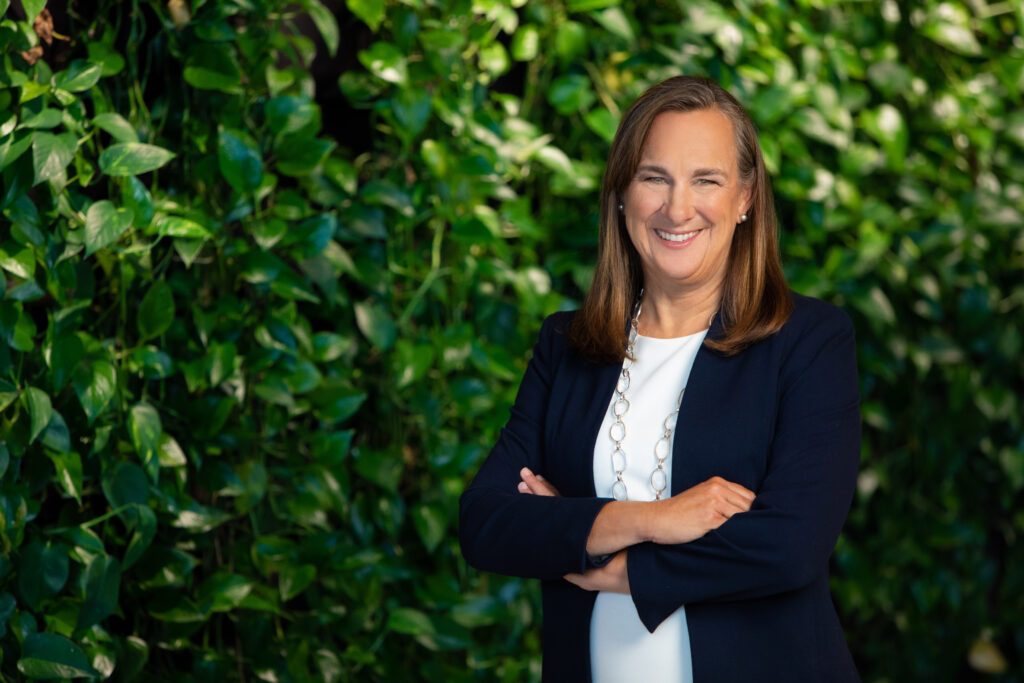
Guest: Janet Foutty is the former Executive Chairman of Deloitte, where she spent 30 years, including leading Deloitte’s technology and government businesses before being elected chair of the firm. She now focuses on board service, enterprise technology and AI workforce issues, and women’s health, including involvement with the Milken Women’s Health Care Initiative and Women’s Health Access Matters (WAM).