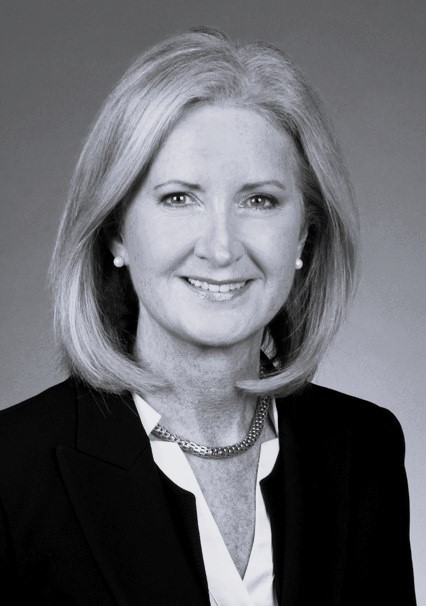
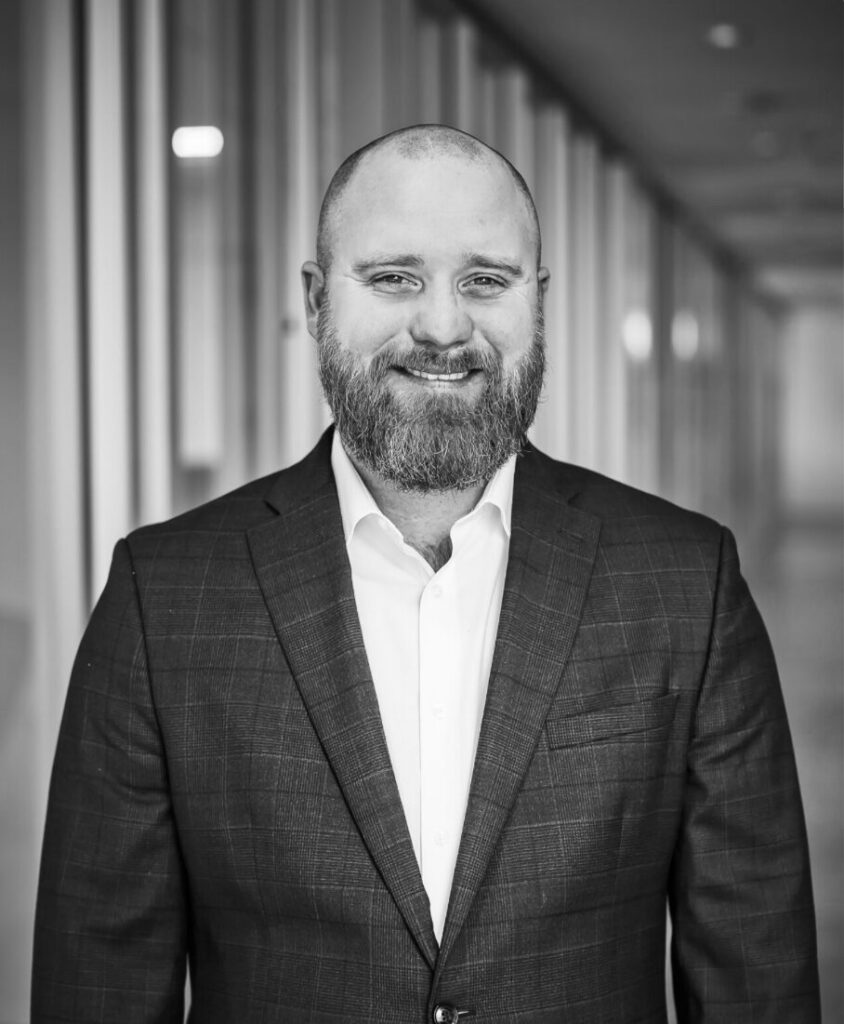
Washington, D.C.–based law firm, Wiley Rein LLP, strengthens financial leadership with the appointment of Brad Bonneau as CFO.

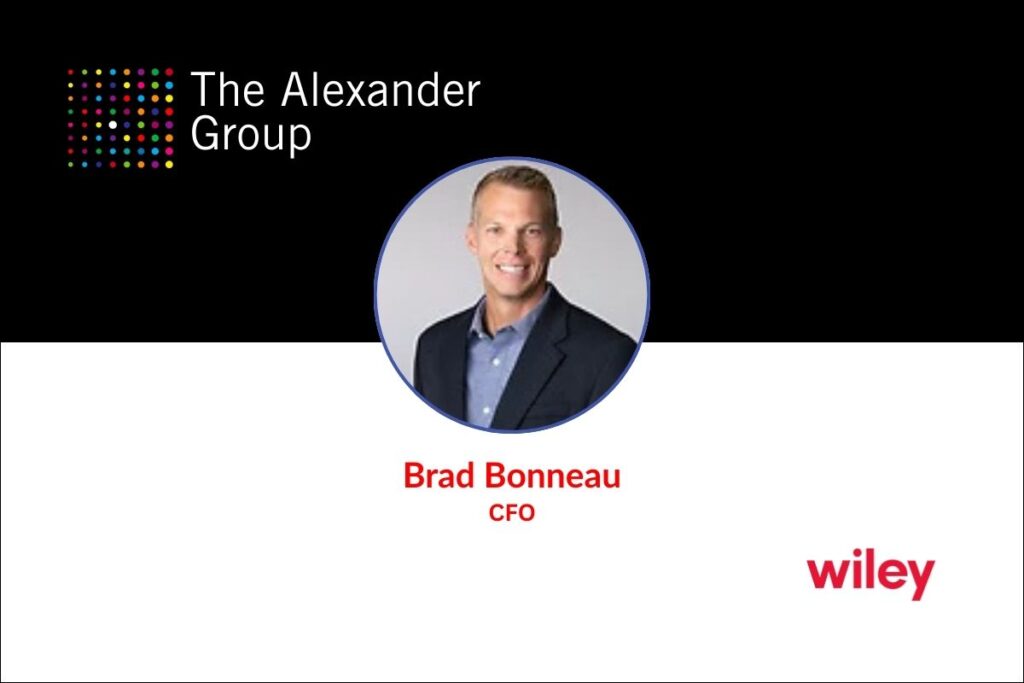
Headshot of Brad Bonneau as CFO for Wiley Rein LLP

Client: Wiley Rein LLP | Role: Chief Financial Officer | Candidate: Brad Bonneau

Recruiters: Managing Director/Chief Client Officer Amanda K. Brady and Senior Associate Michael Doering

Overview

Wiley Rein LLP, a nationally recognized law firm renowned for its expertise in regulatory, litigation, and government affairs, has partnered with The Alexander Group, a global executive search firm, to recruit a Chief Financial Officer (CFO). As the firm continued to expand its national footprint and practice capabilities, it required a seasoned financial leader to optimize financial operations, implement scalable processes, and drive data-informed decision-making.

Key Leadership Need

The firm needed a CFO who could oversee all financial functions, including budgeting, financial reporting, forecasting, client funds management, billing and collections, and audit oversight. Wiley sought a leader capable of strengthening financial performance, modernizing internal accounting systems, and supporting strategic growth initiatives across multiple practice groups.

The Alexander Group’s Approach

The Alexander Group conducted a targeted national search for finance executives with deep expertise in professional services operations, particularly within the legal sector.

Search strategy highlights:

  • Identified CFOs experienced in budgeting, projections, client pricing models, and audit oversight
  • Prioritized candidates with a strong background in law firm accounting systems and financial reporting
  • Emphasized leadership skills in managing financial teams and driving operational improvements

Brad Bonneau emerged as the top candidate based on his extensive financial leadership experience at Chapman and Cutler LLP, where he served as CFO, and his proven ability to modernize finance functions while mentoring and developing professional accounting teams.

Successful Placement and Impact

Brad Bonneau joined Wiley Rein LLP as Chief Financial Officer. He brings over two decades of financial leadership experience in the legal sector, including financial planning and analysis, budgeting, client fund management, tax compliance, and optimization of accounting systems.

Immediate Impact:

  • Initiated upgrades to financial reporting and internal accounting processes
  • Strengthened budgeting and forecasting accuracy across the firm
  • Developed streamlined models for client billing and alternative pricing strategies
  • Enhanced collaboration between finance and practice leadership teams

Insights from the Recruiters

“Brad is the ideal strategic business partner to Wiley’s forward-thinking executive team.”

-Amanda K. Brady, Managing Director/Chief Client Officer at The Alexander Group.

About Wiley Rein LLP

Wiley Rein LLP is a Washington, D.C.–based law firm with more than 240 attorneys practicing in areas such as telecom, insurance, government contracts, and public policy. Known for its focus on regulatory and litigation matters, the firm has earned a strong reputation for delivering strategic client solutions.

About The Alexander Group

The Alexander Group is a global executive search firm with offices in Houston and other U.S. cities. Serving industries including legal services, life sciences, healthcare, financial services, energy, technology, consumer goods, and nonprofit organizations, The Alexander Group specializes in delivering strategic, results-driven leadership placements tailored to each client’s needs.

Interested in learning more about our executive recruitment services? Contact The Alexander Group today.

This blog about professional beards was originally published in April 2015 and remains one of The Alexander Group’s most-read blogs.

Professional beards are back and in a big way. The past few years have seen a significant upturn in the number of men wearing their facial hair “loud and proud,” both inside and outside of the office – a trend spanning industry, age, and even socioeconomic groups – leading to the inevitable question: “To beard or not to beard?”

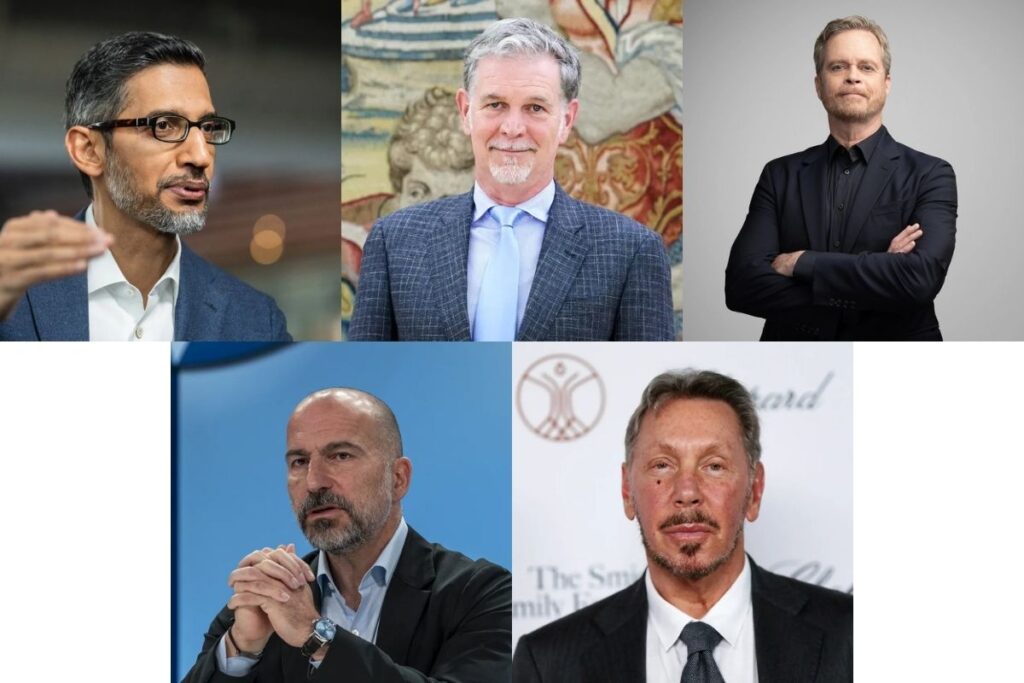
Many of the world’s business leaders are sporting facial hair. Beards for professionals grace the faces of 

  • Sundar Pichai, CEO of Google and Alphabet
  • Reed Hastings, Co-founder and Executive Chairman of Netflix
  • Matt Parker, Executive Chairman of Nike
  • Dara Khosrowshahi, CEO of Uber
  • Larry Ellison, Co-founder, executive chairman, and CTO of Oracle
CEOs of 2025, each with a professional beard

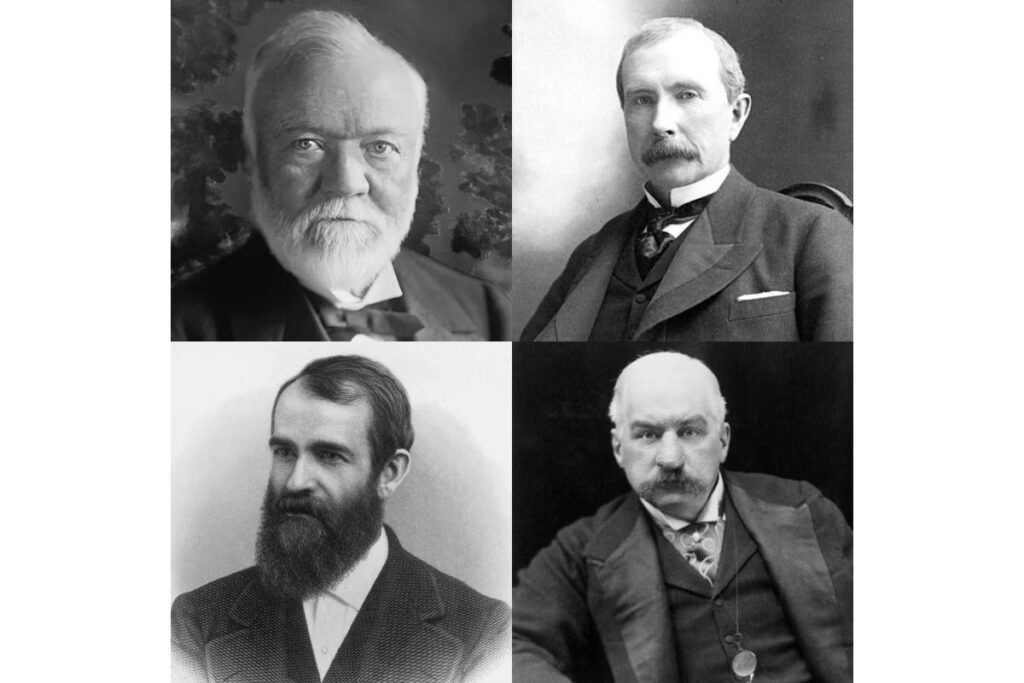
The newspaper’s front page hasn’t been this hirsute since Carnegie, Rockefeller, Gould, Morgan, and other captains of industry were shaping the economy.

Captains of Industry with professional beards and facial hair

The Shaving Razor Market: Trends and Growth Outlook

The shaving razor industry has seen modest growth, with U.S. revenue reaching $2.9 billion in 2025 at a 1.0% CAGR. In Europe, the market is projected to hit $6.67 billion, growing 1.16% annually. While the industry declined around 2015, demand has stabilized as consumers embrace premium and sustainable grooming products.  

This shift reflects a broader trend—the changing role of facial hair in professional settings as beards become more accepted. Whether maintaining a beard or a clean shave, grooming choices now hold greater significance in personal and professional branding.

Professional Beards, Business, and Changing Perceptions

What has led to this dramatic change? Facial hair and capitalism have a connected history. Beards were once considered an indicator of liberal, anti-establishment views and dissident tendencies, championed by men like Karl Marx and Friedrich Engels, Che Guevara, and Fidel Castro.

However, not since the Robber Barons have professional beards been as popular in conservative, capitalist boardrooms as they are today. The hirsute look is currently not tied to any threatening economic or political ideology, and according to The New York Times, whiskers “no longer code as a threat.”

One interesting hypothesis is that many professionals began growing beards due to the recession of 2007-09. Christina Binkley of The Wall Street Journal describes two financial services professionals who lost their jobs and stopped shaving. She also points out that Al Gore grew a beard after losing the presidential election in 2000, stating that “it’s one of those tiny luxuries unleashed by unemployment.”

A significant contribution to the growing popularity of scruff comes from the technology industry.

The tech industry’s relaxed culture prioritizes innovation over strict dress codes, making facial hair widely accepted. Unlike traditional corporate environments, tech leaders are valued for their ideas rather than their grooming standards. This emphasis on creativity and individuality has helped normalize beards in professional settings.

The Alexander Group Managing Director John Lamar comments, “I went through a beard phase about 20 years ago. Okay, it was a goatee and not a very good one at that…I guess that was all I could muster.”

He continues, “I still like to go unshaven over the weekend…the rebel in me has not quite died. But come Monday morning, I break out the ol’ razor.” Lamar believes that the resurgence of professional beards has a lot to do with celebrities and techies. “The laid-back culture coupled with explosive wealth in these two worlds has created an “I just don’t care” attitude.”

According to a 2013 article in Daily Mail Reporter, men with beards “look as much as eight years older than their unshaven counterparts.” The late Steve Jobs of Apple is perhaps the epitome of how the image of the CEO has changed over the years.

In 2025, societal perceptions have evolved significantly. Beards have become mainstream and are widely accepted across various professional settings, reshaping perceptions of beards in the workplace. 

A notable example is the New York Yankees, who, in February 2025, lifted their 49-year-old ban on beards to align with modern grooming trends and appeal to a broader pool of talent. This shift reflects a broader cultural acceptance of facial hair, with beards now often seen as expressions of individuality and personal style rather than indicators of age or non-conformity.

Beard of Directors

Despite the growing popularity of professional beards for businessmen, the number of unshaven business executives remains relatively small.

The Alexander Group Managing Director Beth Ehrgott has only had one client with a beard in all her years of search, but says, “It seems strange to think that beards still seem out of place in corporate America, yet many companies all have diversity initiatives and programs.”

Sarah Mitchell, Associate Director in The Alexander Group’s San Francisco office, says there is so much facial hair in the Bay Area that “it’s more of the rule than the exception. But I suppose I don’t see it very much when I think about those working in a more conservative corporate environment, as opposed to Google or one of the many startups.”

While personal expression is valued in the Bay Area in 2025, men’s style has shifted, with both long professional beards and a clean shave being acceptable—as long as grooming remains intentional. The choice between maintaining facial hair or a clean shave depends on personal style and industry norms, but the emphasis is always on a neat and professional presentation.

Phillip Rudolph, the former Executive Vice President, Chief Legal & Risk Officer, and Corporate Secretary at Jack in the Box, was fully bearded in 2007 when he was interviewed and then hired at Jack in the Box. At the time, he did not believe beards “are even remotely disqualifying.”

However, before joining Jack in the Box, Rudolph was Vice President and Deputy General Counsel at McDonald’s. He explains that while interviewing for the position, the human resources executive “asked how attached I was to my beard. I noted to him that, more correctly put, the beard was attached to me.”

Rudolph continued, “But I took the hint and shaved off the beard. I remained clean-shaven throughout my five years with McDonald’s.” Perhaps geography plays a role. Jack in the Box is headquartered in San Diego, and McDonald’s home is in Chicago.

A recruiter for Shell Oil Company says that she rarely sees candidates with facial hair, and hirsute executives at Shell “are few and far between.”

A Hairy Decision on Professional Beards

The bottom line is that if you are going to go unshaven, there are certain written and unwritten rules to follow.

  • Know your company’s culture and whether or not there are regulations or unwritten “rules” concerning facial hair. Do your homework, or ask your manager.
  • If you are going to grow facial hair, make sure that it is trimmed and neat. The last thing any executive (perhaps outside of the creative arts) wants to see is something ill-groomed and distracting.
  • If you are interviewing, it is always better to play it safe. Research the industry and company. If in doubt, shave! You can always grow it back.
  • Finally, if you decide to grow facial hair, plan accordingly. Wait for a holiday or vacation for ample time for proper growth. Stubble tends to be perceived as sloppy or lazy.

John Lamar sums it up perfectly: “For me, it basically boils down to the corporate culture. There are places where ping-pong, beards, and tattoos are completely acceptable and places where they are not. Having interviewed thousands of executives in various corporate cultures, I subscribe to one simple rule regarding facial hair – just keep it neat and clean.”

“A big bushy beard that could potentially house a family of robins says to me you don’t care about your appearance or how others may perceive you. That doesn’t bode well for a future leader.”

Know Your Audience

The professional beard has evolved from a symbol of rebellion to an accepted, albeit still debated, element of executive style. While beards are more common in tech and creative industries, traditional corporate environments still lean toward a clean-shaven look. 

So, whether you prefer a clean-shaven look or professional men with beards aesthetic, understanding your industry’s expectations is key.

Whether interviewing for a new role or leading a boardroom, facial hair should align with your industry’s expectations and be well-maintained. 

If you’re navigating executive hiring decisions—or considering how personal presentation affects career progression—The Alexander Group can help. Our expertise in executive search ensures leaders are not just a cultural fit but a strategic asset to their organizations. Connect with us today to explore how we can help shape your leadership team for success.

Illustration of teamwork with gears and lightbulbs symbolizing innovation and collaboration, supporting executive job search tips.

Executive job search tips can make or break your chances of landing a leadership role, especially when working with executive job search firms and experienced recruiters.

We’ve written advice on how to best prepare for, maximize, and manage meetings during a search process, whether with a search committee, a board of directors, videoconferencing, or a conference call.

Understanding executive job interview tips and showcasing qualities of professionalism are essential steps in setting yourself apart from other candidates. After all, professionalism in the workplace isn’t just about appearances—it’s about ensuring your actions align with your words and reflect your capabilities as a leader.

How to Lose Jobs and Alienate Interviewers

Generally, most successful senior executives are adept and experienced at the executive search process, but not all. And the exceptions have stood out vividly. Here are a few real-life examples of executive behaviors that have left these executive search professionals less than impressed.

Four Insights to Help You Succeed in the Executive Recruitment Process

Match your talk to your walk.

How you conduct yourself during the search process speaks volumes about how you engage as a professional and business leader. It is an opportunity to “walk the walk,” not just “talk the talk.”

A Chief Operating Officer may say that he is “highly analytical, data-centric, and impeccably precise,” but if he repeatedly asks for schedules and agendas to be re-sent, does not remember the names of people he has met with, product lines, or critical business metrics; and (despite multiple corrections) continues to bafflingly mispronounce the company’s two-syllable name—your actions are speaking louder than your words.

Likewise, if you’re 

you aren’t projecting the level of functional expertise commensurate with your profession.

Little things make a big impression.

Details matter, and making sure the fine points and “little things” are covered and done correctly is essential for success—as a Chief Executive Officer candidate recently learned. Having spent days and weeks flawlessly preparing, she called in a panic two hours before her final meeting with the board after realizing she had mistakenly flown to the wrong city. She was not selected for the role. 

We recognize that many employers no longer require regular formal business wear in the office. However, it was clear that a candidate was not ready for prime time when he arrived to interview in a suit that had been out of use for so long that dusty coat hanger creases were permanently etched into the shoulder blades.

My colleague Jane Howze describes a search committee search she ran a few years ago: “The committee was deadlocked between two outstanding candidates. What broke the deadlock was that one of the candidates answered questions with ‘What WE need to do,’ while the other candidate responded with ‘What YOU all should do.’”

Small stuff? “Absolutely,” Jane agrees, “but one candidate had already aligned herself with the organization.” She was offered the position. Demonstrating business professionalism means being detail-oriented and prepared, ensuring that even minor oversights don’t overshadow your otherwise strong candidacy.

Where was I? Oh, yes…Stay on point

While the best leaders in their fields have a clear and tangible passion for their work, savvy executives also know how to express that passion in proportion to the receptiveness of their audience and the purpose of a discussion. Do not frantically whiteboard ideas like Russell Crowe in “A Beautiful Mind” to explain your vision. Instead, be nimble and calibrate your message to your audience.

Relatedly, it’s always important to remember to stay on point—especially if you tend to go off on a tangent. If the visual representation of your response to a simple question looks like this…

“I arrived at the firm to lead a significant turnaround; revenue was down 20 percent.”

“I joined on the same day as the firm’s new General Counsel. She had come to the firm from IBM. My brother once worked for IBM. He lives in Wyoming now. I’m headed to Wyoming in two weeks for a vacation. Three years ago, my wife and I vacationed in Paris. It was a nightmare getting there. Our original flight out was canceled, etc.”

…then, your ratio of digressions to relevant points needs inverting.

Where there’s a will, there’s a way.

Scheduling meetings between hyper-busy executives is always challenging. Most of us have calendars and schedules bursting at the seams. However, offering a 45-minute window of availability during June does not demonstrate priority, flexibility, or your willingness to participate in the process.

Along the same lines, constantly demonstrating to a company that you are “pleased where I am,” that it would “take something extraordinary for me to leave,” or that you “could not imagine a better situation than I currently have,” rather than demonstrating why the organization needs you, will not motivate a company to take those “extraordinary” steps.

As we have said before, it is always crucial to “stick the landing.” Sending thoughtful thank you notes to follow up after meetings can be a differentiating touch. Just be sure you have the correct email addresses and that the note to Phil Jones, Firm X, Managing Partner, doesn’t accidentally go to Phil Jones, Firm X, Database Intern.

Mastering Executive Job Search Tips for Success

The executive job search process requires attention to detail, professionalism, and strategic preparation. Avoiding these common missteps ensures you present yourself as the polished leader organizations seek.

While the best executive job search sites can provide helpful tools, partnering with experienced executive search professionals like The Alexander Group offers personalized insights and guidance beyond what online platforms offer. 

For more executive job search tips, follow The Alexander Group on LinkedIn and explore our blog for additional resources to advance your career.

The Alexander Group, recognized as one of the country’s top CEO executive search firms, presents “Five Questions With Extraordinary Leaders,” our interview series with visionary industry leaders. In this installment, Managing Director Sally King interviews Michael Caplan, COO of Lowenstein Sandler, discussing leadership style and advice for those seeking a Chief Operating Officer role at a large professional services or law firm.

Michael Caplan believes in diving in.

All in.

It’s how he connects with his team, peers, partners, and clients. Caplan is intentional about his leadership style, setting expectations and seeking growth opportunities. He interacts, listens, and strategizes with the goal of positively impacting his professional leadership team, attorneys, and firm.

With more than 30 years of experience in the accounting, financial, investment, and consulting industries and 20 years of corporate legal and law firm experience, Caplan takes a holistic approach to his role.

He combines his understanding of the business of law and his financial acumen with effective communication skills and a strategic approach to challenges.

Caplan joined Lowenstein Sandler in March 2024. A national law firm with over 350 lawyers based in New York, New Jersey, Palo Alto, Utah, and Washington, D.C., the firm represents leaders in virtually every sector of the global economy, particularly emphasizing investment funds, life sciences, and technology. It is recognized for its entrepreneurial spirit and high standard of client service.

Caplan believes Lowenstein is poised for exponential growth, and he is ready to lead the way.

Read on for Caplan’s “Five Questions With Extraordinary Leaders” conversation with King.

You recently joined Lowenstein but have served in this kind of role for over 10 years. How did you navigate your transition from Professional Services firms to law firms?

I’m a business-oriented COO, and I have a client’s perspective.  This approach has served me well in corporations across various sectors and serves me well as COO at Lowenstein.

Learning about law firm culture requires an understanding of practice groups, building relationships with partners, and how these elements work together in a competitive industry. But effectively leading any organization requires knowledge of basic business principles: What is

demand? What is productivity utilization? How should we think about our business differently? Why is revenue different from profit?

Additionally, I am very focused on how the law firm’s professional staff should be involved in client development, specifically in areas of operational expertise. I take these basic tenets and incorporate them into what I call “the business of law.” At Lowenstein, we have even branded these as “BEST—Business Enterprise Solutions Team.”

As a law firm COO, I work with both the attorneys and the business professionals who support them to facilitate the firm’s success. Internally, we are a team, and every participant understands their own value —what each of us brings to the firm. Externally, we need to differentiate ourselves from our competition in an increasingly competitive environment. One of the ways we do this is by helping clients with their operational effectiveness and operational excellence.

Lowenstein was looking for a leader on the business side who could help them think about how the firm can grow and adapt in the future —across different categories and different work streams. I am now part of the leadership team that is discussing and planning how to scale the firm. This was a big part of what attracted me to join Lowenstein.  After working in legal operations for two decades, this opportunity was more than being strategic.  It is leading-edge and innovative, and leading a team that can engage in driving revenue and the business is pretty cool. 

I relish having this seat at the table at Lowenstein, where the partners are eager to discuss best practices and growth strategies.

Recently, we’ve been focused on a strategic plan that leverages the business of law to serve our clients, our colleagues, and our communities.  We are looking at lateral partner hiring, innovative technology and solutions, data and business intelligence, cross-selling, conflicts, and lateral partner hiring, and we are looking at these elements in new ways. This approach will enable the firm to grow, be competitive, and STAY competitive— not only in our tier-one practices but how across all of our different groups from a cross-selling, collaborative perspective.

What have some of your biggest challenges been in law firms? Having 20/20 vision in hindsight, what might you change, and what might you do exactly the same? 

The role of a COO is different today than it was ten—even five years ago. A COO must communicate with partners so that the focus is on attracting profitable clients and efficiently running the business and practicing law. In addition to building a focus on lawyers, the firm must also invest in firm infrastructure and non-legal talent.

Today, we are seeing law firms that resist change.  The COO can play a big role here. Firms have to allow their COOs to have a voice, and partners with senior leadership need to promote and mandate that the COO have a voice. A strong COO with excellent communication skills can bring the partners in and drive change. On the other hand, if a firm has a COO unwilling to get out in front of a partnership that’s not letting the COO get out front, it will be ineffective in taking its law firm to the next level.

It is important for any COO to establish relationships with partners so that they feel heard.  Trust is very important. Once that is established, a COO can then effectively communicate to the partners how investing in the firm will help their practice. Any strategy will only be successful if the culture and partnership support it.

Currently, there is a highly competitive marketplace for clients and C-Suite leaders. I’m trying to hire chief officers, different levels of directors, and others within my professional staff with a strategic view of the business. Of course, every other law firm is seeking the same type of talent! However, Lowenstein Sandler offers an excellent proposition for highly qualified candidates because our firm truly values the opinions of its business strategists.

Now, looking back as an 11-year tenured COO of a law firm, I don’t get too bothered by the challenges that I faced earlier in my career. I’ve learned to take challenges in stride, reflect, and partner with other people to solve problems. I spend a lot of time with partners and our Chiefs brainstorming, strategizing and thinking about messaging and how to handle people challenges: how do we think holistically about where we want our teams to go and how do we get them there?

Running a law firm is not that difficult from an operational standpoint. But running a firm of partners and professional staff is the hardest part of the job. The people part of the job is challenging because you are literally managing “talent.” Every day can bring up new challenges from a people standpoint, but it is both challenging and invigorating as a leader.

What are some of the challenges you see on the horizon that you will need to address, and what is your game plan? 

AI presents an opportunity, but it’s a challenge. Where do we begin? How much data do we have? What is the data that the clients have? How are we thinking about our rate structures? How are we thinking about our hiring plans? How are we thinking about leveraging our profitability model? How are we getting in front of these communication plans with our clients?

AI presents a significant opportunity to engage clients, attorneys, and professional staff, but how do we address this? What comes first, second, third? Every vendor has a solution. I get 500 emails a day from unfamiliar vendors who want to solve all my problems.

Our chairman, Gary Wingens, and our full leadership and strategic planning committee are very focused on AI information and innovation. That is how we are managing this roadmap of products, data, communication, and client relationships as we guide our firm’s growth.

The other challenge is the growth of the lateral partner market. As a competitive national law firm, we want to grow our practices and become a destination firm for our key practices with lateral partners. But we are competing with many firms for the same lateral partner hires. The challenge is how we continue to be that destination firm and grow with the strategic plan of lateral partner hiring; as COO, I have to evaluate how to scale my teams to meet our projected growth.

If we hire 200 lawyers in the next two-and-a-half to three years, how many BD people do I need? What does practice management mean? How do we manage paralegals? How do we look at conflicts? How do I look at my recruiting team? How many billers and collectors do we need? Yet, at the same time, how do you manage the expense growth before the revenue comes in when you’re making partners so you continue to be very profitable?  This analysis requires a strategic view of how to manage the challenges of expense and investment, along with the revenue that will come in behind it.

What do you look for when hiring your chief team or people who will report to you, and how do you ensure you have a good mix of leadership attributes amongst your team?  What is your leadership and communication style? 

I believe that chief officers all need to have real leadership.  To me, this is table stakes. I operate as a COO, and I manage a team of people, but it’s a very flat organization. I love to embrace leaders and resources at all levels because I really try to truly create career aspirations for the folks who are on my teams. I want my teams to invest in their careers. It is not just about title and promotion, but there’s responsibility. Learn the firm, learn the partners, learn the practices, lead at every level. I’m really looking for people that are hungry, people that love to work, are excited and have ideas, and are not afraid to talk about them.

What advice would you give someone wanting to be a COO at a large professional services or law firm? How does Lowenstein manage succession for these roles, and how do you think other firms manage that process?

First of all, my advice to somebody who wants to be a COO is that you have to really invest in getting to know that firm. You have to truly take on the job as an owner.

I tell everybody whom I hire to take the first six months to a year and get to know people, build relationships, learn the firm, go on a listening tour, get on airplanes, go to different offices, make sure you work out a lot because you’re going to have a lot of meals and a lot of coffee, but listen and learn.   If you really truly want to be successful at the job of the COO, you have to build trust with your partners. And then you also have to build trust with your team under you, so that they will embrace you as the COO and keep you in the loop.

A reputation can be made or broken very quickly. You have to be willing to make those investments and sometimes sacrifices to be a very successful COO. The other piece of advice I would give is you’ve got to understand the financials. You have to truly get how the firm makes money, how we bill, how we collect, how we look at rates, how we price, what profitability means, what staffing and leverage utilization, productivity, demand go down the line, what is contribution? If you don’t understand the numbers of a law firm, it’s very hard to be a COO.


Brian Sakala has joined Akin Gump Strauss Hauer & Feld LLP as Chief Financial Officer.

Mr. Sakala is a highly regarded accounting and finance executive with a proven track record of delivering client value by leveraging key technologies, providing financial analyses and creating efficiencies.

Learn more about Mr. Sakala here.

Managing Directors John Lamar, Jean Lenzner and Director Sarah Mitchell conducted and completed this search.

With 2025 just around the corner, we’re looking to the future of legal industry trends, anticipating and planning for what’s next. While we don’t have a crystal ball, we do have 40 years of executive recruiting experience, a deep well of data, and the trust of our clients, who express their leadership needs to us as they plan for 2025 and beyond.

Managing Directors John Lamar, Amanda Brady, and John Mann, Directors Sarah Mitchell and William Lepiesza and Senior Associate Anthony Ott share their thoughts and insight on expectations and trends for 2025.

John Lamar, Managing Director, The Alexander Group

“AI continues to dominate people’s thought process in making the firm efficient and profitable. Tech is a driving force, but it’s not where it needs to be. Everyone’s doing window dressing right now, hiring chief innovation officers, but in reality, firms are buying off-the-shelf software products. That will change in the years to come.

Another trend garnering attention concerns partners getting paid ungodly amounts of money. They are offered multi-year 25- to 30-million-dollar deals. How long can the industry sustain that?

I’m hearing a lot from chairs about work-from-home. It’s interesting in Europe; they all comment that everyone’s back 100 percent; the U.S. is the only country with three days in the office. It’ll be interesting to see what happens next year. Do firms hammer the idea of return to office? Maybe you will spend four days in the office, but you won’t be sitting at home on a Monday. The associates will give them the best work in the office, but the partners are not leading. It starts with them. They are in a bit of a conundrum. People are struggling with it. You have to hit them in the pocketbook so that people can start showing up.

Mergers and Acquisition activity is not slowing down within legal as the industry continues consolidating. A few firms at the top are leading the way–and there’s more to come.

Amanda K. Brady, Managing Director/Chief People Officer, The Alexander Group

“Synthesizing data to inform strategic growth.  (Some) law firms are becoming more sophisticated around coordinated growth initiatives. Business intelligence is evolving beyond the typical matter, partner, or practice profitability analysis into deep dives into all that touches firm and practice growth. It combines knowledge management on the practice side with knowledge management on the business side, merging information from CRMs, experience databases, historical financial metrics, targeted industry research, and honest assessments of the firm’s talent. It’s all data. This is most successful at firms with cultures that allow their leaders to be innovative – not business as usual, set ambitious business goals, develop corresponding growth strategies, and pull the puzzle pieces together to make things happen.”

John Mann, Managing Director, The Alexander Group

“In 2025, strategic legal recruiting functions will be crucial for law firms, as they focus on proactively identifying and recruiting top talent with specialized skills aligned with client needs.

Artificial Intelligence will continue to impact the legal industry by automating routine tasks and enabling more efficient client service. It will ultimately transform how legal professionals work and deliver value.

In 2025 and beyond, law firms will continue to build sales-focused client development teams who generate revenue much like public accounting firms and are responsible for driving business growth by developing client relationships, identifying new business opportunities, and promoting the firm’s legal services.”

Sarah Mitchell, Director, The Alexander Group

“The return to office push/pull is still strong, but law firm leaders seem to be “over” the discussion. Unlike the trends we see with technology companies and banking, very few firms seem willing to implement any mandate. They are shifting to making the office space somewhere that lawyers and business professionals want to be—not with pizza parties, but fresh, thoughtfully designed office space that feels “alive” and opportunities to connect.

Discussions around generational differences are being discussed more forthrightly, and I think it might become more pronounced in the next couple of years. We currently have four well-defined generations working together, and they each tend to have distinctive attitudes concerning technology use, adaptivity to change, RTO expectations, dress, and communication. One law firm COO mentioned they have introduced training around generational differences as part of their professional development curriculum, and it has been well received and actionable.”

Bill Lepiesza, Director, The Alexander Group

“As I consider legal industry trends for 2025, I believe we will continue to see the rise and evolution of the Chief Innovation Officer role.

We will see the further integration of firmwide talent/strategic human resources functions across lawyer and business professional populations and the continued elevation in caliber, leadership expectations, and strategic value-add of law firm business executive roles.

Anthony Ott, Senior Associate, The Alexander Group

“Each year, there is a swing of trends. I anticipate seeing more Baby Boomers retiring, and vacant leadership opportunities will be available for those who have earned a right to be in consideration.

As work-from-home policies shift, so will their impact on the candidate pool. Jobseekers will be willing to explore new industries in order to receive job title advancement and increased compensation. Similarly, law firms will look at candidates from other professional services companies outside of their industry.

We will also see people on the move to improve their quality of life. As the cost of living increases, it may encourage people to explore opportunities in new cities for a better quality of life and employment opportunities. For example, people may be able to afford larger homes less expensive in major metropolitan cities, so they move to grow their families or be open to other career opportunities.”

White & Case LLP appoints Jason Hill to lead firmwide marketing, brand strategy, and client engagement.

Headshot of Jason Hill with the White & Case logo

Client: White & Case LLP | Role: Chief Marketing Officer | Candidate: Jason Hill

Recruiters: John Lamar, Managing Director; William Lepiesza, Director; Pam DeLuca, Associate

Overview

White & Case LLP — one of the world’s leading international law firms — partners with The Alexander Group, a global executive search firm, to recruit a Chief Marketing Officer. As the firm continues its global expansion, it seeks a marketing leader capable of strengthening its brand and driving firmwide growth through client engagement, data, and creativity.

Key Leadership Need

White & Case seeks a Chief Marketing Officer to oversee global marketing strategy, brand positioning, client development, communications, and marketing operations. The role requires a dynamic leader who can unify complex marketing functions across international offices while elevating the firm’s market presence and client experience.

The Alexander Group’s Approach

The search team — led by John Lamar, William Lepiesza, and Pam DeLuca — focuses on senior marketing executives with extensive experience building and scaling integrated marketing organizations across global professional services or financial institutions.

Search priorities included:

  • Strategic leadership in global brand development and campaign execution
  • Expertise in marketing transformation, team building, and digital enablement
  • Deep understanding of client-centric marketing in complex, B2B environments

Jason Hill emerges as the ideal candidate, bringing over 20 years of leadership in brand marketing and global media strategy at Goldman Sachs, GE, and BlackRock. His experience in unifying marketing functions across international markets and designing award-winning brand programs positions him as a transformative addition to White & Case’s leadership team.

Successful Placement and Impact

Jason Hill joins White & Case as Chief Marketing Officer. He leads the firm’s global marketing efforts, aligning brand, creative, communications, and business development teams under a unified growth strategy.

Immediate Impact:

  • Oversees global brand positioning and firm reputation strategy
  • Leads data-informed client development programs and marketing innovation
  • Builds a unified global marketing infrastructure across geographies and disciplines
  • Strengthens White & Case’s competitive positioning across global legal markets

Insights from the Recruiters

“Jason has been a key senior executive, driving revenue, market growth, and functional innovation with [the] leading multinational financial services and professional services firms.” 

– John Lamar, Managing Director, The Alexander Group

About White & Case LLP

White & Case LLP is a global law firm with lawyers in 30 countries. Recognized for its strength in cross-border legal work, the firm serves clients across various sectors, including finance, technology, energy, and infrastructure. With a reputation for innovation, client service, and strategic advisory, White & Case is a leader in global legal services.

About The Alexander Group

The Alexander Group is a global executive search firm headquartered in Houston. With a reputation for precision and discretion, the firm helps law firms, financial institutions, and multinational organizations recruit senior leaders who drive brand growth and market expansion.

Brand matters — especially in global law. The Alexander Group helps firms find marketing leaders who bring clarity, creativity, and commercial growth.

The Alexander Group, recognized as one of the top CEO executive search firms, presents “Five Questions With Outstanding Leaders,” our series where we interview visionary industry leaders. In this edition, we speak with Jonathan Horowitz, President of the Houston Hospitality Alliance, about key challenges, successes, and future opportunities within the hospitality sector.

Jonathan Horowitz and friends for top ceo executive search firms blog
©MorrisMalakoff

Houston is a foodie city.

Full stop.

Houston offers every global cuisine, and diners are only too happy to explore and experience what the city is serving.

However, Houston’s hospitality and tourism are more than its vibrant dining scene.

Just ask Jonathan Horowitz, president of the Houston Hospitality Alliance.

Managing Director John Mann of The Alexander Group, one of the nations’s top CEO executive search firms, sat down with Horowitz to discuss the business of Houston’s hospitality and tourism industries–struggles, successes, and the future.

Horowitz’s deep experience within the hospitality industry and his background as an attorney and real estate agent made him the ideal hire for the high-profile president position. The HHA is an organization that strives to promote, connect, and energize Houston’s hospitality and tourism business and create industry success in Houston.

For more than 17 years, Horowitz developed, operated and led multiple marketing restaurant/bar concepts, including Legacy Restaurants (Original Ninfa’s on Navigation Tex-Mex restaurant and the Antone’s Famous Po’Boy sandwich concept) Lasco Enterprises, LLC (The Tasting Room Wine Cafe, MAX’s Wine Dive, Boiler House Texas Grill) Midway Hospitality Development and Convive Hospitality Consulting, a full-service hospitality consulting service. He received a Bachelor of Arts degree from Rice University and a JD from South Texas College of Law.

Mr. Horowitz was a corporate executive search firm’s ideal candidate, and since being named HHA president in October 2023, Mr. Horowitz has addressed Houston City Council members at City Hall, discussed the Houston Hospitality Alliance and its mission to promote, represent, and advocate for the entire hospitality industry in Houston, and led the HHA Business Forum.

Horowitz is an ardent community supporter of many organizations, eager to illuminate the city while growing the HHA.

“I am thrilled that Jonathan joined the Houston Hospitality Alliance as the new President, bringing with him over two decades of leadership and innovation in the hospitality industry, as well as a deep-rooted commitment to the Houston community,” said Mann.

JM: Let’s discuss opportunities and challenges concerning hospitality development within the Houston landscape.

JH: We currently are in the most challenging environment ever for the entire hospitality industry. Prior to the pandemic, things were in a pretty good place; however, the pandemic changed everything for the industry. There are a few areas where hospitality continues to struggle:

JM: Houston is a destination for new businesses and conventions. How do you take advantage of that momentum moving forward?

JH: It’s all about providing a complete and memorable experience. Consumers expect more and more now, so they have to be “wowed” once they’re here. Many people have preconceived notions of Houston and don’t realize how diverse, cosmopolitan, and exciting the city really is. Once they get here – for whatever reason (business, pleasure, a convention, the Med Center, etc.), they come away with a great appreciation for what Houston offers. The overall hospitality industry in Houston is extremely strong, and once people get here and experience it, there’s a good chance they’ll come back.

JM: The Greater Houston Partnership’s latest data reports that almost 11% of Houston’s employment is in the Leisure and Hospitality sectors. How do you grow that industry?

JH: It’s happening – see above. New places are opening every day, and companies from all over the country are coming here because they recognize the great opportunities here.

JM: How does your background as a hospitality business professional and an attorney support your role as HHA president?

JH: I am fortunate in that I’ve seen both sides of the industry – having been an owner and operator, I can understand and empathize with those who are running hospitality businesses in the city, and I’ve been involved in a restaurant trade association for nearly two decades. These perspectives help me on a daily basis to help guide the HHA. As for being an attorney, that helps me all the time – not only with work but with general life issues. It’s a great education and experience to have, and it gives me a better understanding of how to deal with people, contracts, and potential disputes.

JM: What are the next steps of growth for the HHA?

JH: We are focused on growing membership every day. Just this year, we’ve doubled the number of members and are not slowing down. We recognize that, in order to keep members engaged and to attract new ones, we need to provide great value. We have four primary value propositions as an association:

As one of the top CEO executive search firms, The Alexander Group continues to engage with and learn from industry leaders like Jonathan Horowitz. By fostering deep relationships and understanding the specific needs of each client, The Alexander Group remains committed to elevating the quality of executive talent acquisition across industries, ensuring visionary leadership for businesses poised for growth. 

Learn more about their expertise and approach at The Alexander Group.

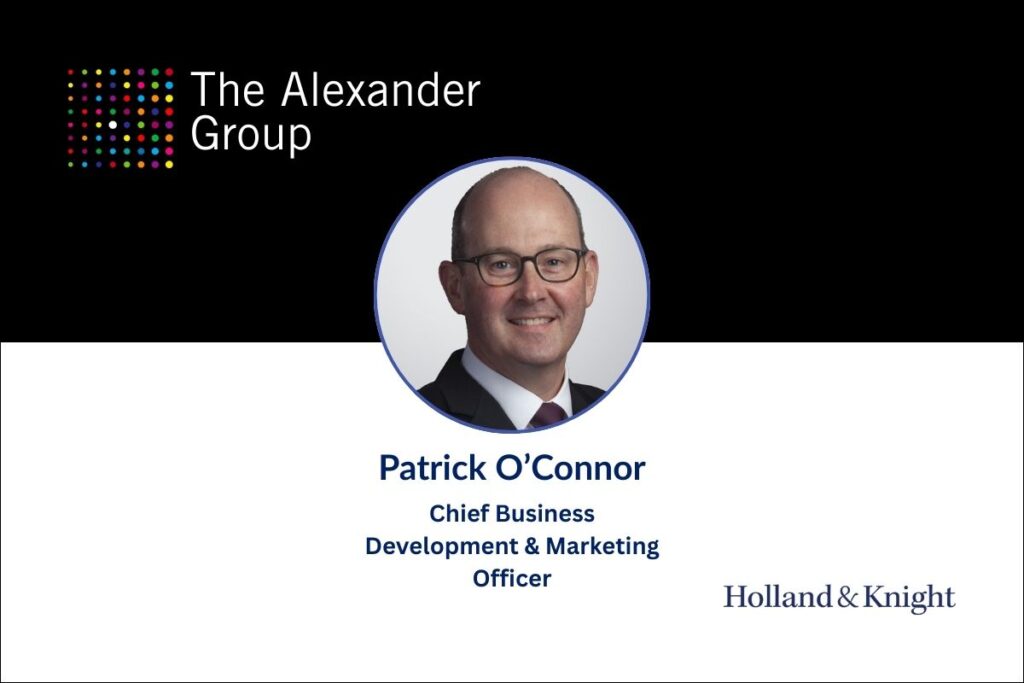
Global law firm, Holland & Knight LLP, appoints Patrick O’Connor to lead business development and marketing strategy.

Headshot of Patrick O’Connor as Chief Business Development & Marketing Officer at Holland & Knight LLP

Client: Holland & Knight LLP | Role: Chief Business Development & Marketing Officer | Candidate: Patrick O’Connor

Recruiters: John Lamar, Managing Director; Jean Lenzner, Managing Director; William Lepiesza, Managing Director

Overview

Holland & Knight LLP, an internationally recognized law firm renowned for its collaborative culture and strategic growth, has partnered with The Alexander Group, a global executive search firm, to recruit a Chief Business Development and Marketing Officer. As the firm continued to grow and evolve in an increasingly competitive global market, it required a proven leader to build integrated marketing strategies, enhance client engagement, and align business development initiatives with practice group priorities.

Key Leadership Need

The firm needed a Chief Business Development & Marketing Officer who could design and execute firmwide growth strategies, elevate branding efforts, and strengthen cross-practice collaboration. The ideal candidate would combine deep experience in business development leadership with the operational excellence needed to support attorneys across diverse practice groups and geographies.

The Alexander Group’s Approach

Managing Directors John Lamar, Jean Lenzner, and William Lepiesza led a targeted search across professional services and consulting firms for senior executives with proven experience leading complex marketing and business development initiatives.

Search priorities included:

  • Expertise driving cross-practice collaboration, client engagement strategies, and brand evolution
  • Success leading marketing operations at scale within sophisticated, matrixed organizations
  • Ability to align marketing, sales, and business development functions around strategic goals

Patrick O’Connor emerged as the ideal choice due to his extensive leadership at EY, where he served as Principal and Americas Chief Operating Officer for the Forensic & Integrity Services Practice, as well as his proven success designing and executing business development initiatives across global teams.

Successful Placement and Impact

Patrick O’Connor brings nearly two decades of business development leadership, sales management, and strategic planning expertise within global professional services organizations.

Immediate Impact:

  • Launched integrated business development strategies aligned with firmwide priorities
  • Strengthened internal collaboration between practice groups and client-facing teams
  • Implemented scalable marketing operations systems to support global brand visibility
  • Enhanced strategic targeting and client engagement initiatives across industries

About Holland & Knight LLP

Holland & Knight LLP is a global law firm with more than 2,200 lawyers and professionals in 34 offices across the United States and internationally. The firm is recognized for its experience in real estate, litigation, energy, and government matters, and is known for fostering strong client partnerships through collaborative legal solutions.

About The Alexander Group

The Alexander Group is an executive search firm in Houston. The firm serves industries such as legal services, life sciences, healthcare, financial services, energy, technology, consumer goods, and nonprofit organizations, delivering strategic, results-driven leadership placements tailored to each client’s specific needs.

Interested in learning more about our executive recruitment services? Contact The Alexander Group today.

Anyone who has ever been involved with a not-for-profit will at some point be asked to serve on a search committee or lead a search committee’s search for a new CEO/President or senior officer. We have written previously about the responsibilities of search committee members and how candidates can prepare for a search committee interview but wanted to take a deeper look at the role of the Search Committee Chair.

We turn to Steve Taylor, a leader in the not-for-profit community for nearly 30 years who is currently serving as Executive Vice President and Chief Mission Officer of the Arthritis Foundation. Steve recently chaired the search committee for the President and CEO of the National Health Council, which has been widely viewed as a well-run search with outstanding results. Below, Steve answers the questions we are frequently asked as not-for-profit recruits using search committees.

How big should a search committee be?

I believe the ideal size is seven, including the Chairman who should also have a vote. You could possibly do nine or five, but frankly, if the Committee becomes too large, it can be hard to coordinate schedules. You have too many opinions in the discussions, and you want every voice to be heard. You’ll also want to make sure it’s an odd number; that way there is no tie.

Who should be on a search committee?

Much of it depends on the position. Ideally, one to three members of the Executive Committee should be on the Search Committee and supplement that with volunteers who represent different parts of the organization. I recommend looking at the various responsibilities of the position you are trying to fill. Which volunteers can best represent and understand these responsibilities? The key to a successful search committee is that you want members with perspective but who are not living in the past. On the other hand, you don’t want search committee members being so free-spirited they are substituting their vision for that of the Board’s.

The ideal Search Committee member understands the history of the organization as well as its future vision.

And that is what is so important when selecting volunteers to serve on a search committee: they need to be familiar [with] and embrace the Board’s vision for the organization and also represent different constituencies of the organization.

Should current employees sit on a search committee?

Many organizations wrestle with this question. Sometimes, it makes sense, especially when you have long-term employees who understand the organization. But this is not a choice without challenges.

If there are internal candidates for the position, it can be difficult to ask a colleague [to] make an unbiased choice.


Secondly, a staff member on the Committee may not have the strategic view of the organization that a high-ranking volunteer or board member will have.
Thirdly, it can be sensitive for an employee to be involved in salary discussions involving the successful candidate.


I typically recommend that one of the Search Committee members serve as a liaison to a group of employees/staff. On the search I led for the National Health Council, I personally maintained contact with the senior leadership team. While I did not discuss individual candidates, I asked the search firm to solicit their opinions on the type of leaders we were seeking, and I communicated to them on the progress of the search.

Who selects the search firm, and what should be considered?

I can’t overemphasize the importance of a strong partnership with the search firm. You want it to be a partnership, not just a firm presenting resumes. The Chair should have meaningful input on selecting the search firm because they’ll be the one working [most] closely with them. Of course, the Search Committee reviews proposals and meets with several finalists. Ultimately, the Chair of the Search Committee should have a strong voice when selecting a search firm.

For me, the search firm needed to have experience in organizing and administratively providing infrastructure to the committee so that I and the Committee could focus on the candidates.

I also believe the Chair shouldn’t rely on the Search Committee or search firm to coordinate. There will be times that the Chair needs to jump in to either facilitate meetings or deal with scheduling or personnel challenges. The search firm should be willing to do more than just conduct the search as many members of a search committee have full-time jobs.

I advise my colleagues running search committees to be very specific with what you would like the search firm to do.

Do you want them to:

-Attend search committee meetings?
-Set the agenda for search committee meetings?
-Provide interview questions?


I believe you need a search firm to do anything the Search Committee and its Chairman cannot or do not want to do because of time restraints.

It is a given that a search firm needs to have a robust Rolodex, but I’m still trying to figure out how to evaluate that. [laughing] What you can evaluate is recent searches a search firm has conducted for similar positions. As we evaluated search firms, some listed searches conducted over a decade ago! That was a lifetime ago in the not-for-profit world.

Finally, I believe you need to find a search firm that is upfront and honest with you about who the lead staff will be—and that you have the opportunity to meet with that lead staff to ensure compatibility and understanding of the process you envision—before you finalize your selection on a firm.

What allowances did you make during COVID-19 in the most recent search you chaired?

Overall, it worked out well. In certain ways, the process moved more efficiently given the Search Committee met by Zoom and the candidates were interviewed by the search firm and us for first-round interviews by Zoom. One advantage we had as a search committee is that we all knew each other—some better than others—but this familiarity allowed us to work together well virtually.

Once we narrowed the process to our finalists, we asked them to meet face to face, of course, social distancing, wearing masks, etc., with another search committee member and me. Despite adapting to video conferencing, meeting the candidate in person makes a big difference. To have a candidate willing to invest the time to travel to a meeting and meet a group of people, some in person, some virtually, was critical to the final steps of our process.

We were able to observe how they handled themselves in the middle of a pandemic, watch how they coordinated their presentation, and even how they arranged the papers on the conference table. In a virtual interview, you have no idea if the candidate has sticky notes on their computer screen providing possible hints to questions. That was important to us because that’s what the job is going to be (ultimately): face-to-face meetings working with different constituencies and being able to communicate and think on their feet. Interestingly, I believe we would have ended up with the same candidate if we had searched COVID.

As a search committee chair, how do you handle candidate withdrawals and surprises?

As a search committee chair or member, you understand that many candidates are currently in good positions, and you are hoping to attract them to your organization. You can’t get too nervous about that. It is part of the process. You reach for candidates; some attract, and some lose. And if a candidate pulls out, I believe they should do it in the search process rather than later.

As for the second part of your question, as Chair, you have to be flexible, responsive, and nimble because issues arise that need to be acted on quickly. Several times, I had to reach out to Committee members individually to keep the process moving either because an issue arose on a Friday night or there was simply not the time to call a full committee meeting. You establish that at the beginning of the search, so there is no misunderstanding. In every search, there may be small decisions made either by the chair or by a smaller group on the committee, because trying to get everyone together all the time isn’t possible, but ultimately the big decisions are made as a group.

How much time does it take to do a good job?

The time required ebbs and flows during the search. If you have a good search firm, as we did in using The Alexander Group, there’s less time initially because you allow them to do the search and trust their judgment on the candidates they’re presenting. The search committee chair is free to focus on the higher-level items most important to finding the right candidate. Once the interview process is underway, you must be available for the search committee, search firm, [and] staff as the process unfolds. There is a significant time commitment required for the Chair. The organization needs someone who can make that time commitment because you’ll never finish the search if it is not a priority.

Who should be the Chair?

Choosing the right search committee chair is critical to a successful search. The chair needs to be a leader in the organization who understands its past and its future vision. It does not have to be the current board chair. It could be a past board chair that might have more time because it’s not the current board chair. It is important the chair can lead without supervision and is trusted by the board.